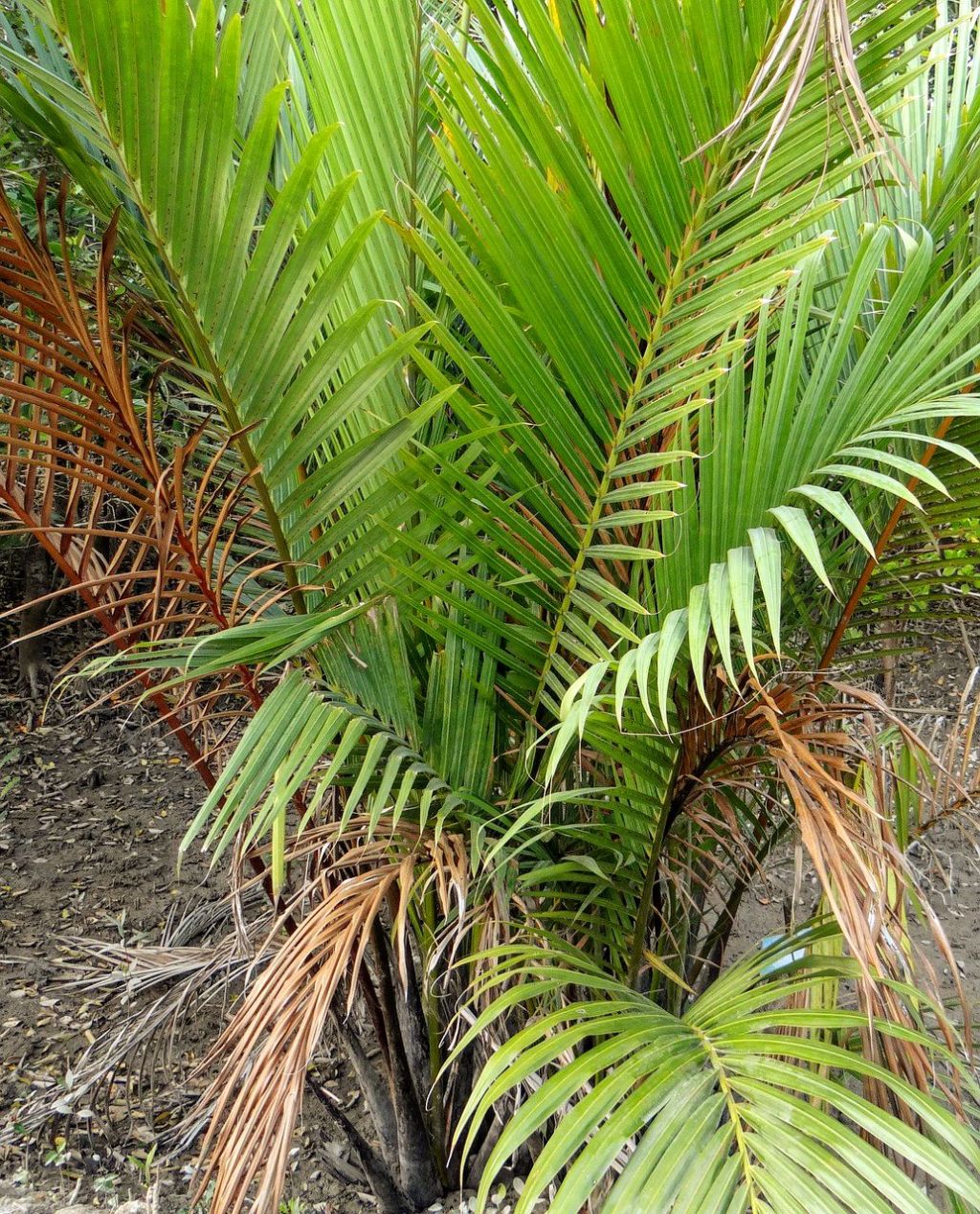
Discover the incredible uses of Golpata (Nipa Palm) in the Sundarbans. Learn how this single plant provides food, sustainable biofuel, and coastal protection, and why it’s linked to Royal Bengal Tigers.
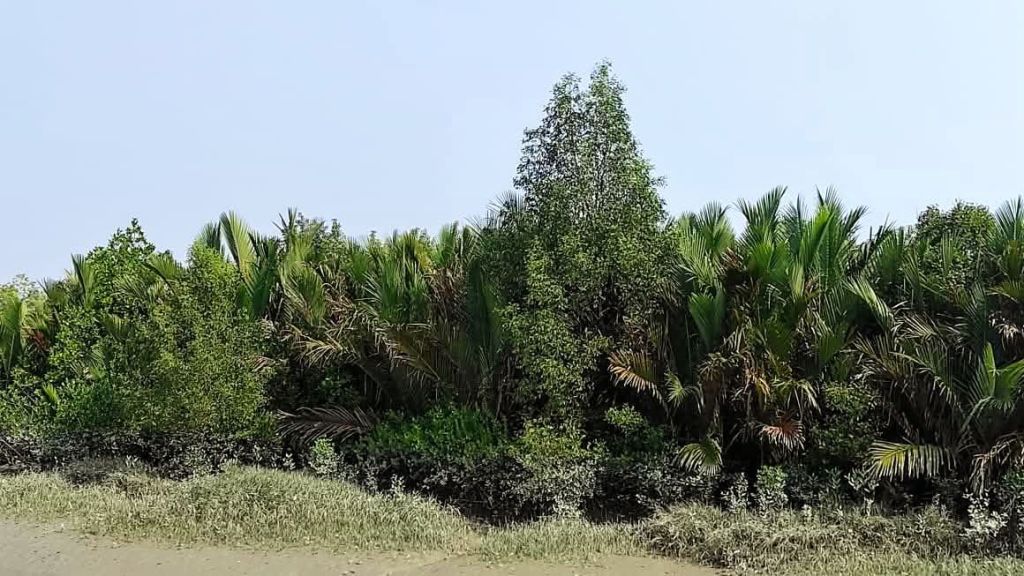
Category: Sundarbans Flora, Mangrove Ecosystem, Sustainable Living
What is Golpata? The Ancient Nipa Palm of the Sundarbans
In the heart of the Sundarbans, the world’s largest mangrove forest, thrives the Nipa Palm (Nypa fruticans), one of the planet’s oldest palm species. Known locally as Golpata, this unique plant is a cornerstone of life and ecology in the region. Unlike typical palms, the Nipa’s trunk is a thick horizontal rhizome that grows underground, meaning only its long, soaring leaves (up to 30 feet) and flower stalks are visible above the mud.
This fascinating species is a monotypic taxon—the only species in its genus (Nypa). With its distinctive globular flower clusters and unique growth habit, the Nipa Palm is a vital and intriguing part of its coastal world.
Where Does the Nipa Palm Grow? A Coastal Survivor
The Nipa Palm is a true coastal specialist, thriving in the intertidal zones of South and Southeast Asia. Its range extends from Sri Lanka, India, and Bangladesh to Northern Australia and the Ryukyu Islands of Japan. It flourishes in the soft, nutrient-rich mudflats where freshwater mixes with saltwater, making the unique brackish conditions of the Sundarbans an ideal habitat.
An Ecological Guardian: How Golpata Protects the Coastline
Golpata is a champion of coastal protection. Its dense, interlocking underground root system (rhizomes) binds the soft soil of riverbanks, playing a critical role in:
- Preventing coastal erosion.
- Stabilizing riverbanks and mudflats.
- Acting as a natural barrier against storm surges and high tides.
A Taste of the Sundarbans: Culinary Uses of Golpata
The Nipa Palm is a treasure trove of edible resources, essential to local cuisine.
- Edible Seeds: The immature seeds contain a sweet, translucent, jelly-like endosperm that is a popular dessert across Asia, often served in syrup or used in ice cream.
- Sweet Sap (Nira): The flower stalk can be tapped to collect a sweet, sugary sap. This versatile ingredient is used to make:
- Alcoholic beverages (like tuba).
- Vinegar.
- Palm sugar (Gula Melaka).
- Energy-rich confectioneries.
More Than Just Food: Traditional Uses in Daily Life
Nearly every part of the Golpata serves a purpose in the local communities.
- Construction: The leaves are highly valued as a durable thatching material for roofs, known as “attap.”
- Crafts: Leaflets and midribs are woven into hats, baskets, mats, and bags.
- Fuel: Dried leaves, stalks, and fruit husks are used as biofuel for cooking.
- Fishing: Fishermen use the buoyant rhizomes to keep their nets afloat.
- Traditional Medicine: In folk medicine, juice from young shoots is used to treat herpes, while other parts are used for headaches and toothaches.
The Future of Fuel? Nipa Palm as a Sustainable Biofuel Source
The Nipa Palm is a remarkable candidate for sustainable biofuel production. Its sap is incredibly rich in sugar, which can be fermented to produce ethanol with an extraordinarily high potential yield—some estimates suggest over 20,000 liters of fuel per hectare annually.
What makes it truly sustainable?
- Grows on Non-Arable Land: It thrives in brackish mudflats, not competing with food crops for valuable farmland.
- Requires No Freshwater: It grows in water unsuitable for most agriculture.
- Low Energy Input: Harvesting the sap is a low-energy, manual process.
- Dual Purpose: Tapping the sap does not prevent the fruit from developing, allowing it to be a food and fuel source simultaneously.
The Tiger’s Shadow: Golpata and Human-Wildlife Conflict
In the Sundarbans, Golpata forms dense, low-lying thickets deep inside narrow creeks. While an essential resource, these groves pose a unique danger. The low visibility creates a high-risk environment for encounters between humans and Royal Bengal Tigers.
Honey and leaf collectors, known as Mawalis, must be extremely cautious. The dense cover that makes Golpata groves ideal for the plant also makes them a perfect hiding spot for tigers, bringing man and beast into dangerously close proximity. It’s for this reason that local folklore says Golpata “hides the tiger.”
 Samiran Mandal