
Lens on the Sundarbans: A Photographer’s Guide to the Wild Mangroves
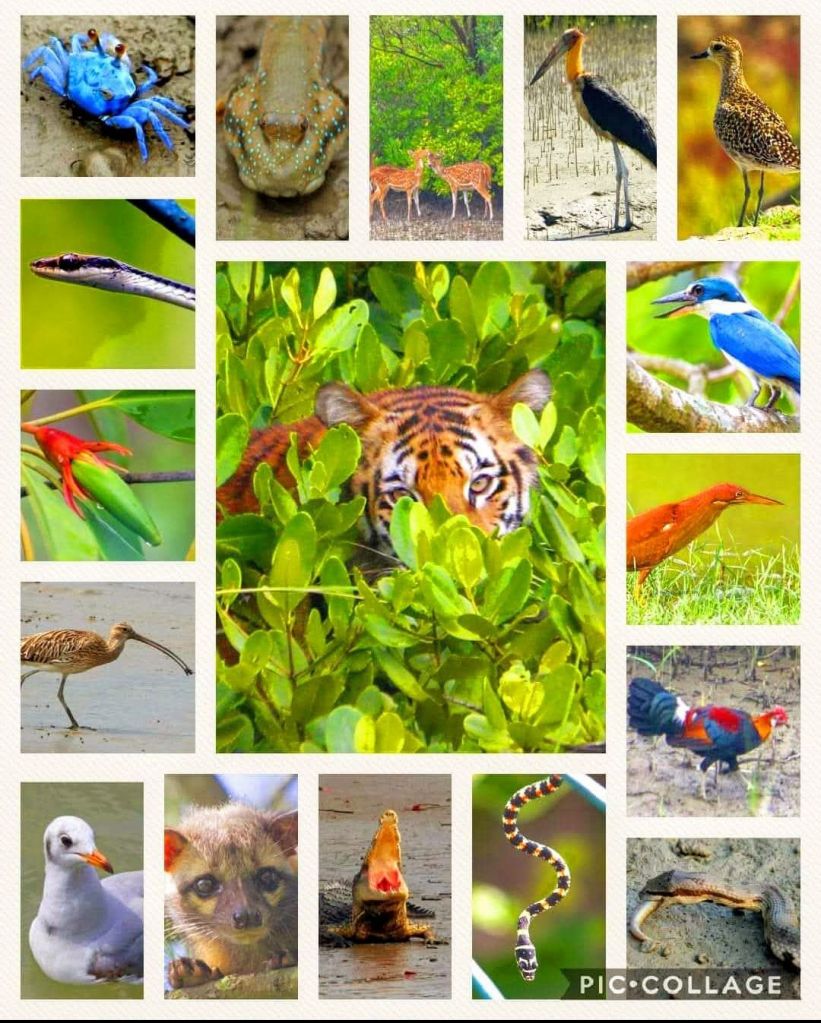
As you sit on the boat in the early morning mist, you have no idea what the day holds. The mangrove forest on the banks is silent, but it holds countless untold stories. Suddenly, your guide whispers, “Sir, look to your right!” You scramble for your camera, and there it is, right before your eyes—a majestic Bengal Tiger, basking in the morning sun. This isn’t a scene from a movie; this is the raw, untamed reality of the Sundarbans.
For those who can’t be separated from their camera, this place is paradise. It’s not just about the tiger; thousands of other stories are waiting to be framed. Every picture tells a story. Let’s take a deep dive into what makes a photography tour in the Sundarbans the ultimate adventure.
Why is the Sundarbans a Photographer’s Paradise?
The Sundarbans isn’t just a jungle; it’s a dynamic, living ecosystem. Visiting without a camera is like going to a library and not reading a book—a completely missed opportunity.
- Wildlife: The Royal Bengal Tiger is the star, but the supporting cast includes Spotted Deer (Chital), Wild Boars, Saltwater Crocodiles, Monitor Lizards, and hundreds of species of birds. The dive of a kingfisher, the swoop of an eagle, the patient stance of a heron—it’s all here for you to capture.
- Landscape: The dense mangrove forests, the narrow, winding creeks, and the sun rising over the vast river create scenes so breathtaking that even a smartphone picture can look stunning.
- Human Life: The lives of the fishermen, honey collectors (Mawali), and villagers are more colorful and dramatic than any film. Their struggle, their symbiotic relationship with nature—it all deserves to be documented in a frame.
When to Go: Capturing the Perfect Shot
Great photography depends on two things: weather and light.
- Winter (October – March): This is the prime season. The foggy mornings, calm rivers, and animals emerging to soak up the sun create a golden time for photography.
- Monsoon (June – September): The forest is a lush, vibrant green, looking refreshed and beautiful after the rains. However, wildlife sightings can be less frequent, and the river can be rough. If you’re up for an adventure and want to capture dramatic, moody landscapes, this season is a great choice.
Your Photography Checklist
Wildlife:
- Royal Bengal Tiger (if you’re lucky!)
- Spotted Deer (often seen in herds)
- Crocodiles (basking in the sun)
- Rhesus Macaques (known for their playful antics)
Birds:
- Kingfishers (Common, White-throated, and Black-capped are all here)
- Eagles, Herons, Egrets, and many more
- A variety of migratory and resident birds
Landscape:
- The golden light on the river during sunrise and sunset
- Reflections of the mangroves in the still water
- A lone boat disappearing into the fog
People:
- Fishermen casting their nets
- Daily life along the riverbanks
Essential Gear for Your Expedition
- Camera: A DSLR or Mirrorless camera that performs well in low light is ideal.
- Lenses:
- Telephoto (100-400mm or 150-600mm): Absolutely essential for capturing distant wildlife like tigers and deer.
- Wide-Angle (16-35mm or 24-70mm): Perfect for sweeping landscapes.
- Other Gadgets:
- Extra Batteries & Memory Cards: There are no charging points in the jungle.
- Monopod: More practical than a tripod on a moving boat for stability.
- Binoculars: To spot birds and wildlife from a distance.
- Rain Cover / Dry Bag: Essential to protect your gear from sudden downpours or splashes.
Pro Tips for Stunning Photos
- Patience is Everything: Wildlife photography means waiting, sometimes for hours, for that one perfect moment.
- Use the Golden Hours: Shoot during the soft, magical light of early morning and late afternoon to make your photos come alive.
- Get to Eye-Level: Position your camera at the animal’s eye level. This creates a more intimate and powerful connection in your photo.
- Use a Fast Shutter Speed: For moving animals or birds in flight, set your shutter speed to 1/1000s or faster to freeze the action.
- Listen to Your Guide: Your guide and boatman are the living, breathing maps of the Sundarbans. Their knowledge is invaluable.
- Tell a Story: Don’t just focus on the animal. Include its environment—the gnarled roots, the misty background—to tell a complete story.
Be a Responsible Photographer
- Respect Wildlife: Do not disturb the animals. Stay quiet and maintain a safe distance.
- Leave No Trace: Carry out what you carry in. Do not leave plastic or any other trash behind.
- No Flash Photography: Never use a flash, as it can startle, scare, or even harm the animals’ eyes.
- Respect Local Culture: Always ask for permission before photographing people. A smile and a respectful gesture go a long way.
Final Thoughts
A trip to the Sundarbans is more than just a photo tour; it’s an experience that teaches you patience and helps you understand the language of nature. When you finally capture the soul of the forest in your frame, it evokes a feeling that words can’t explain. You have to experience it to believe it.
So, pack your camera bag, clean your lenses, and set out to discover the mysteries of Bengal’s pride.
What was the best moment of your Sundarbans camera adventure? Share it in the comments below!
#Sundarbans #Photography #WildlifePhotography #BengalTiger #MangroveForest #TravelPhotography #IndiaTravel #WestBengal #NaturePhotograp
 Samiran Mandal