
When you hear “Sundarbans,” your mind likely pictures a labyrinth of mangrove forests, the elusive Royal Bengal Tiger, and silent, saltwater crocodiles. This UNESCO World Heritage site, split between India and Bangladesh, is a land of fierce beauty and immense ecological importance. But beyond the headlines of wildlife and climate threats lies a silent, unsung hero: the Nipa Palm, or Goalpata as it’s known locally.
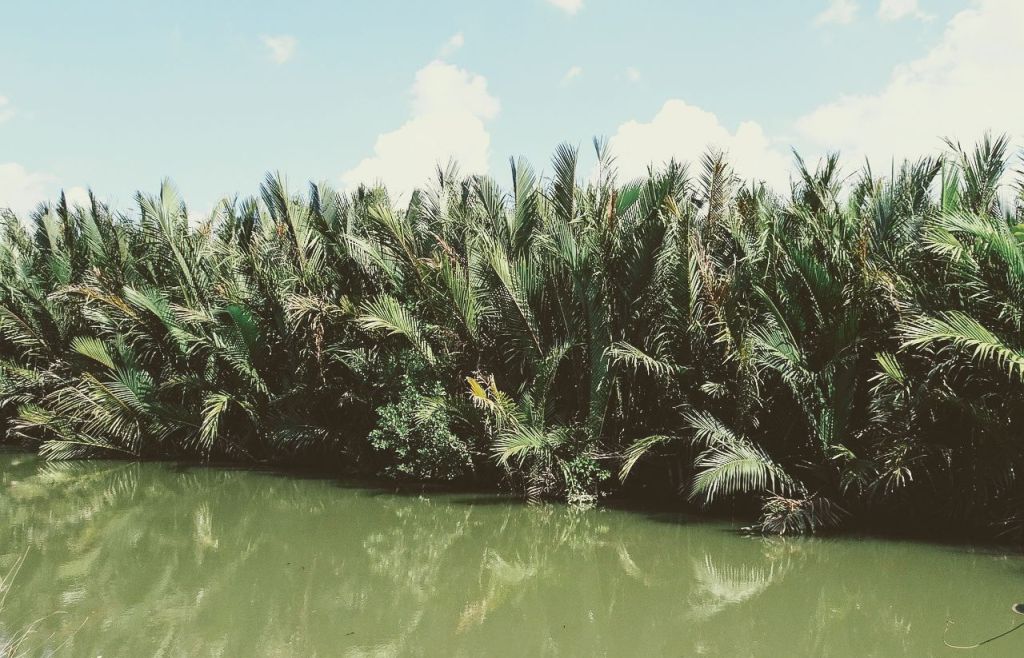
This humble palm holds the key to a safer, more prosperous future for the region’s inhabitants. While Bangladesh has successfully harnessed its potential, creating a thriving cottage industry, the Indian Sundarbans is sitting on an untapped goldmine. This is the story of how a sweet, smoky jaggery could change everything.
What is the Nipa Palm (Goalpata)? The Unsung Guardian of the Mangroves
The Nipa Palm (Nypa fruticans) is the only palm species adapted to grow in the mangrove ecosystem. For centuries, its long, sturdy leaves have been used for thatching roofs. But its true treasure lies within.
As someone who grew up in the Sundarbans, I can attest that these palms are incredibly resilient. They thrive not just in intensely saline water but also in the brackish, or semi-saline, estuaries where freshwater rivers meet the sea. During the winter, the palm produces a sap that is sweet, nutritious, and incredibly valuable. This is the raw material for one of the world’s most unique sweeteners: Nipa Palm Jaggery (Goler Gur).
The Bangladesh Model: A Proven Blueprint for a Sustainable Economy
Across the border in Bangladesh, Nipa Palm jaggery is not a novelty; it’s a lifeline. For generations, coastal communities in regions like Patuakhali and Khulna have perfected the art of tapping the sap and transforming it into rich, dark blocks of jaggery.
Here’s why their model is so successful and offers a sustainable income source for Sundarbans communities:
- Safety First: Tapping Nipa Palms doesn’t require venturing deep into the forest, drastically reducing the risk of fatal encounters with tigers or crocodiles. It provides a safe alternative job to reduce human-wildlife conflict.
- Economic Efficiency: Nipa Palm sap is naturally denser than date palm sap. It takes roughly half the amount of sap to produce the same quantity of jaggery, making the process more efficient and profitable.
- A Thriving Cottage Industry: Entire villages participate in the process, from tapping the sap to cooking it down in large woks and marketing the final product. It has become a cornerstone of the rural economy.
West Bengal’s Sundarbans: An Untapped Opportunity
In the Indian state of West Bengal, the Nipa Palm is just as abundant. From Hingalganj to the tourist spots of Taki, the palms line the riverbanks. Yet, their use is almost exclusively limited to thatching. The immense economic potential of its sap remains virtually ignored.
This is a missed opportunity of staggering proportions. Here’s why developing a Nipa Palm jaggery industry is the untapped economic potential of the Indian Sundarbans.
1. A Safer Livelihood in a High-Risk Zone
The primary occupations in the Indian Sundarbans—fishing and honey collection—are fraught with danger. By promoting jaggery production, the government and NGOs can offer a secure livelihood that keeps people out of harm’s way.
2. A High-Value Product for a Growing Market
The global demand for organic, single-origin, and sustainably sourced foods is exploding. Nipa Palm jaggery, with its unique smoky and salty-sweet flavor profile, is a perfect fit. It can be marketed as a premium, artisanal product to an international audience.
3. An Ecological Guardian
The Nipa Palm is not just economically valuable; it’s an ecological asset. Its extensive root system binds the soil, preventing riverbank erosion—a critical issue in this climate-vulnerable delta. Promoting its cultivation is a direct investment in the region’s ecological stability.
The Path Forward: How to Unlock This Potential
Transitioning from potential to reality requires a concerted effort. The key lies in creating a holistic ecosystem that supports this nascent industry.
- Knowledge Transfer and Training: Workshops to teach local communities the Bangladeshi techniques for sap tapping, processing, and quality control.
- Financial Support and Micro-loans: Providing access to capital for purchasing equipment like large cooking pans and packaging materials.
- Branding and Market Linkages: Creating a strong brand identity for “Sundarbans Nipa Palm Jaggery” and connecting producers directly with urban and international markets.
- Government and NGO Collaboration: Policy support from the government and on-the-ground implementation by NGOs are crucial to scale the initiative.
Conclusion: More Than Just Sugar
The Nipa Palm offers more than just sweet jaggery. It offers a vision for a future where the people of the Sundarbans can live in greater harmony with their environment. It’s a chance to build a resilient, sustainable economy that values both human lives and the incredible biodiversity of this unique landscape.
While Bangladesh has already written its success story, the ink is still wet on the pages of West Bengal’s chapter. By tapping into this liquid gold, the Indian Sundarbans can create a legacy of safety, prosperity, and conservation for generations to come.
 Samiran Mandal