
Explore the Sundarbans’ rich aquatic biodiversity, from popular fish species and the deadly pufferfish to commercially vital shrimp and endangered aquatic life. Understand the urgent need for Sundarbans fish conservation and the unique challenges faced by this incredible ecosystem.
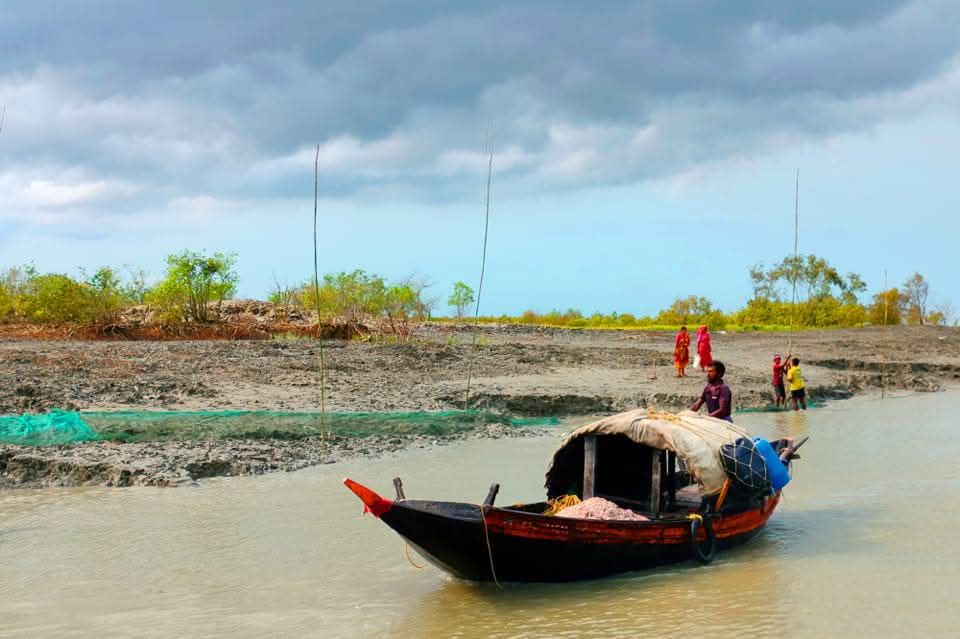
The Sundarbans, the world’s largest mangrove forest, is renowned for its majestic Royal Bengal Tiger and intricate root systems. But beneath the surface of its winding rivers and creeks lies an equally magnificent world: a boundless aquatic marvel. This unique ecosystem, a dynamic confluence of saline, brackish, and freshwater, hosts nearly 300 fish species and over 40 varieties of shrimp and crabs. This invaluable Sundarbans aquatic resource not only sustains a complex food web but also serves as the primary livelihood for millions. The role of fish in the Sundarbans ecosystem is truly indispensable, forming the lifeblood of this UNESCO World Heritage Site.
Discovering the Sundarbans’ Key Fish Species
These fish species are deeply intertwined with the culture and economy of the Sundarbans. They are not just food; they are a legacy. Let’s delve into some of the most popular fish names in the Sundarbans and what makes them special.
Bhetki / Koral (Lates calcarifer): The Sundarbans’ Prized Catch
- Scientific Name: Lates calcarifer
- Notes: As one of the most famous and expensive fish in the region, the Bhetki is a true prize. Known locally as “Koral,” this prominent saltwater fish of the Sundarbans is celebrated for its exceptional taste and large size, making it a highly sought-after catch for both anglers and gourmands.
Parshe (Liza parsia): A Once-Iconic Sundarbans Fish
- Scientific Name: Liza parsia
- Notes: The Parshe was once an iconic symbol of the Sundarbans’ aquatic abundance. Fishermen would catch them in vast numbers. However, due to significant environmental changes and persistent overfishing, its population has seen a critical decline, serving as a stark reminder of the ecosystem’s fragility.
Datina / Daitone (Acanthopagrus latus): A Sundarbans Delicacy
- Scientific Name: Acanthopagrus latus
- Notes: This species comes in two main varieties: Guti Datina (smaller) and Lal Datina (larger). The Lal Datina, in particular, is now exceptionally rare and commands a very high price in local markets, making it a revered delicacy.
Hilsa / Ilish (Tenualosa ilisha): The Queen of the Estuary
- Scientific Name: Tenualosa ilisha
- Notes: The Hilsa, or Ilish, is the undisputed queen of Bengali cuisine. Primarily a marine fish, it migrates into the estuaries and rivers of the Sundarbans for breeding. While the delicious Hilsa is still found, a related species, the Chondona Hilsa (Harpadon nehereus), is now almost extinct in these waters.
Topshe / Ramshosh (Polynemus paradiseus): An Elite Sundarbans Fish
- Scientific Name: Polynemus paradiseus
- Notes: Often called an “elite fish,” the Topshe is cherished for its buttery soft texture and minimal bones. Unfortunately, its population has also decreased significantly, making it a rare treat.
Bhola / Koi Bhol / Poa (Sciaenidae family): Commercially Significant Croakers
- Scientific Name: Sciaenidae family (Croakers)
- Notes: Locally known by many names like “Poa,” the Bhola family is commercially vital. Their air bladders (swim bladders) are dried and exported to be processed into valuable threads for surgical and other uses. The Koi Bhol species is now rarely caught.
Other Popular Sundarbans Fish Species
- Bhangan / Bata (Labeo bata): A savory small fish, once as common as Parshe, now much harder to find.
- Shele / Bele (Glossogobius giuris): A popular creek and canal dweller, essential to local diets.
- Tepa Fish / Pufferfish (Tetraodon cutcutia): A deadly resident. (More on this below).
- Meno / Mudskipper (Periophthalmus spp.): A true marvel of the mangroves, this amphibious fish can breathe and “hop” across muddy terrains, symbolizing the unique adaptations of the Sundarbans.
- Swordfish (Trichiurus lepturus), Tongue sole (Cynoglossus spp.), and Gobies (Gobiidae family) are also widely known and consumed.
Tepa Fish / Pufferfish: The Sundarbans’ Deadly Deception
- Scientific Name: Tetraodon cutcutia
- Notes: While fascinating, the Pufferfish is a deadly trap for the uninformed. When threatened, it inflates its body into a ball. It is completely unsuitable for consumption due to the presence of ‘Tetrodotoxin’ (TTX), an extremely potent neurotoxin. To put it in perspective, TTX is over 1,200 times more poisonous than cyanide. Numerous tragic deaths have been reported in the Sundarbans region from the accidental consumption of this toxic fish, highlighting the critical need for awareness.
The Economic Engine: Commercially Vital Aquatic Species
Beyond finfish, the Sundarbans’ economy is driven by its crustaceans. These species are central to livelihoods in the Sundarbans and form the backbone of its export market.
Shrimp: The Sundarbans’ “White Gold”
The Sundarbans’ shrimp industry is a major economic force:
- Tiger Prawn (Penaeus monodon): Also known as the “Black Tiger Shrimp,” this is the main export product, prized globally for its size and flavour.
- Giant Freshwater Prawn (Macrobrachium rosenbergii): Thriving in the less saline northern areas, this species is highly valuable in both domestic and international markets.
- Other Shrimp Species: Harina Shrimp (Metapenaeus monoceros), Chaka Shrimp (Penaeus indicus), and various smaller shrimp are also commercially significant.
Mud Crab (Scylla serrata): A Profitable Export
- Scientific Name: Scylla serrata
- Notes: With extremely high demand abroad, particularly in Southeast Asia, the Mud Crab represents a highly profitable fisheries resource for local communities, providing a vital source of income.
Guardians of the Deep: Sharks and Rays of the Sundarbans
The waters of the Sundarbans are also home to several species of sharks and rays. These apex predators play a crucial role in maintaining the health and balance of the aquatic ecosystem.
- Sharks (Hangor): Species include Hammerhead sharks, Blacktip sharks, and Dogfish sharks.
- Rays (Sangkar): The ecosystem hosts Sawfish, Whiptail stingrays, and Guitarfish. Unfortunately, they are often illegally hunted for their fins, threatening their populations.
The Vanishing Treasures: Endangered Fish of the Sundarbans
Overfishing, pollution, and climate change have pushed many Sundarbans fish species to the brink of extinction. The question, “Why are Sundarbans fish endangered?” has a clear but troubling answer: climate change-induced salinity increase, industrial pollution, and, most damagingly, excessive and unregulated fishing. The use of poison and illegal fine-mesh nets indiscriminately catches juveniles, preventing populations from recovering.
Here is a partial list of endangered and rare fish in the Sundarbans:
- Gongona / Toadfish (Allenbatrachus grunniens): Though unattractive, local traditions hold that it has medicinal properties. It is now incredibly rare.
- Med Fish (Pama pama / Otolithoides spp.): Critically endangered due to over-exploitation for its high-value air bladder.
- Shilong Fish (Silonia silondia): A large catfish that was once abundant, now considered almost locally extinct.
- Khorshula (Sicamugil cascasia): An extremely delicious small fish that is now rarely seen.
- Archer Fish (Toxotes jaculator): This amazing fish, known for spitting water to hunt insects, is now believed to be extinct in the Sundarbans.
- Kuche / Eel (Monopterus cuchia): The extensive use of this snake-like fish as bait for crab fishing has decimated its population.
A Call to Action: Conserving the Sundarbans’ Aquatic Wealth
The Sundarbans’ aquatic biodiversity is an invaluable natural heritage. Ensuring its survival is not just an environmental issue but a human one, directly tied to the food security and economic stability of millions.
Sundarbans fish conservation requires a multi-pronged approach:
- Strict Law Enforcement: Cracking down on illegal fishing practices, especially the use of poison and prohibited nets.
- Protected Sanctuaries: Establishing and enforcing “no-fish” zones to allow fish stocks to recover and breed.
- Community Awareness: Educating local fishermen on sustainable practices and the long-term consequences of overfishing.
Without a collective commitment to responsible stewardship, the rich list of aquatic treasures detailed here will continue to shrink, and many more species will vanish forever. The time to act is now.
Frequently Asked Questions (FAQ)
Q1: What is the most famous fish in the Sundarbans?
A: The Bhetki (or Koral), scientifically known as Lates calcarifer, is arguably the most famous and prized fish from the Sundarbans due to its excellent taste and large size. The Hilsa (Ilish) is also incredibly famous and culturally significant.
Q2: Is it safe to eat all fish from the Sundarbans?
A: No. The Pufferfish (Tetraodon cutcutia), locally called Tepa fish, is extremely poisonous and should never be eaten. It contains Tetrodotoxin, a potent toxin that can be fatal. It is crucial to be able to identify this fish and avoid it.
Q3: Why is fish conservation in the Sundarbans so important?
A: Fish conservation is vital for two main reasons. Ecologically, fish are a cornerstone of the mangrove food web. Economically, millions of people depend directly on these fish for their food and livelihood. Protecting the fish means protecting the entire ecosystem and the communities that rely on it.
Q4: What are the main threats to the aquatic life in the Sundarbans?
A: The primary threats are overfishing (especially using illegal nets that catch young fish), increasing water salinity due to climate change, pollution from industries and shipping, and the destruction of breeding grounds.
 Samiran Mandal