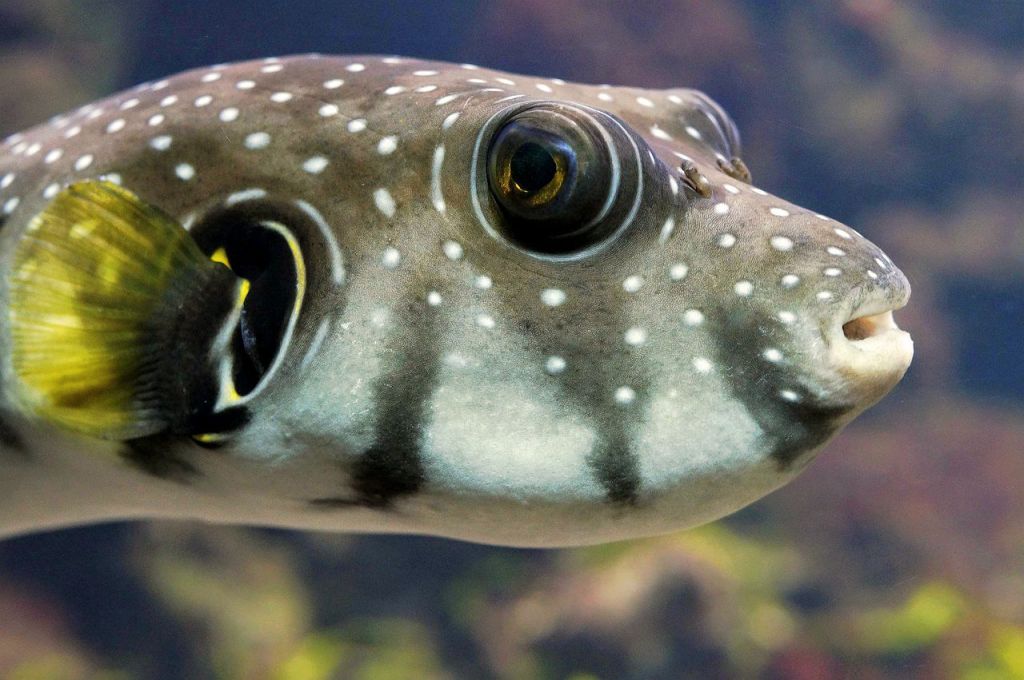
In my home, the world’s deadliest fish is a delicacy. Its name is Potka, or Tepa, a local variant of the infamous Pufferfish. Known for its potent, cyanide-like poison, this fish can kill a grown man in minutes. Yet, for me, it is the taste of home, a flavor intertwined with immense risk and my mother’s boundless love.
This isn’t just a story about eating a dangerous fish. This is the story of my mother’s hands, the only antidote I have ever known.
The Deadliest Delicacy: A Fish That Demands Respect
The Pufferfish, known as Fugu in Japan, is legendary for a reason. It contains a neurotoxin called Tetrodotoxin (TTX), which is up to 1,200 times more poisonous than cyanide. A single fish holds enough poison to kill 30 people, and there is no known antidote. The history of its lethality is well-documented, with tales like that of Captain James Cook’s crew in 1774, who narrowly escaped death after consuming it.
Symptoms of Pufferfish poisoning are terrifying: numbness of the lips and tongue, followed by paralysis, respiratory failure, and death, all while the victim remains fully conscious.
So, why would anyone on Earth risk it? For a taste that is said to be sublime. And in my case, because I have my mother.
My Mother’s Hands: The Only Guarantee I Trust
My mother is still with us, and it is only because of her that I have the courage to bring this fish into our home. Preparing Pufferfish isn’t cooking; it’s a sacred, high-stakes surgical procedure. The knowledge of which organs to discard—the liver, intestines, and ovaries, where the poison is concentrated—is a skill passed down through generations in the Sundarbans. My mother possesses this skill with a precision that I can only describe as artistry.
But here is the most terrifyingly beautiful part of our tradition.
After she finishes cooking the fish, after the aroma of spices fills our kitchen, my mother performs a ritual. She will never serve me a single piece until she has eaten a small portion herself. She takes the first bite, a morsel of the fish she just prepared, and waits. In those few moments, our home falls silent. My world hangs in the balance as I watch her, my heart pounding with a mixture of fear and profound love.
She is my quality control, my human antidote. Her life is the guarantee for mine. Only when she nods, a gentle smile on her face, does the fish land on my plate. It is in that moment that the taste transcends from being just food to becoming an elixir of life, sanctified by a mother’s love.
A STRICT AND URGENT WARNING: This is my personal story, a testament to my mother’s unique and lifelong expertise. DO NOT, under any circumstances, attempt to clean, cook, or consume Pufferfish yourself. The risk is not worth it. This article is a chronicle of a culture, not an invitation to danger.
Beyond the Pufferfish: The Other Mysteries of the Sundarbans
The Sundarbans, a labyrinth of mangroves and murky waters, holds more secrets than just the Potka fish. Here, we have the Kain fish, another local marvel with its own dark tales. Fishermen speak of the “Shonkho Laga”—an epic battle between the Kain fish and venomous snakes over burrows. This is not folklore. It is a brutal reality, proven when the fish is cut open. More often than not, a whole, dead snake is found coiled in its belly.
The Kain fish itself has a poisonous navel that must be expertly removed. Yet, like the Pufferfish, its incredible taste makes it a sought-after delicacy.
A Taste of the Sundarbans: A Safe Recipe to Try (Kain Fish Curry)
While I cannot share my mother’s Pufferfish recipe—it is a sacred trust—I can share a safe and delicious recipe for Kain Fish Curry with Taro Corms (Kachur Mukhi).
Ingredients:
- 250g Kain fish, cleaned and cut by a professional fishmonger (ensure the navel is removed)
- 200g Taro corms (Kachur Mukhi), peeled and diced
- 2 tbsp Onion paste
- 1 tsp Ginger-garlic paste
- 1 tsp Cumin powder
- 1 tsp Coriander powder
- 1 tsp Turmeric powder
- Red chili powder, to taste
- 4-5 Green chilies, slit
- Mustard oil, for cooking
- Salt, to taste
- ¼ tsp Nigella seeds (Kalo Jeera)
Instructions:
- Marinate the fish pieces with salt and turmeric. Lightly fry them in mustard oil until golden and set aside.
- In the same pan, add a little more oil and temper with nigella seeds.
- Add the onion paste and sauté until translucent. Add the ginger-garlic paste and cook for another minute.
- Add all the powdered spices (cumin, coriander, turmeric, chili) with a splash of water and sauté until the oil separates from the masala.
- Add the diced taro corms, mix well with the spices, and add enough hot water to create a gravy. Season with salt.
- Bring the gravy to a boil. Once the taro is tender, gently add the fried fish pieces and slit green chilies.
- Cover and simmer for 5-7 minutes, allowing the fish to absorb the flavors.
- Serve hot with steamed rice.
Final Thoughts
The Sundarbans is not just a place on a map; it’s a world unto itself, where life is woven with threads of danger and beauty. Eating the Potka fish is more than a culinary adventure for me. It is an act of faith—faith in my mother’s skill and in the profound, unspoken bond we share. It is a story of how, in the heart of the wildest places on Earth, a mother’s love can turn a deadly poison into a taste of heaven.
 Samiran Mandal