
Journey into the Sundarbans, a UNESCO World Heritage Site, to uncover its deadliest snakes. Learn about the King Cobra, Russell’s Viper, deadly sea snakes, local myths, and critical conservation challenges in this unique mangrove forest.
In the heart of West Bengal lies a land of serpentine rivers and lush, fertile deltas—the Sundarbans. This unique mangrove ecosystem, the largest on Earth and a UNESCO World Heritage Site, is a world of its own where nature’s profound beauty and imminent danger coexist. Here, alongside the undisputed king of the jungle, the Royal Bengal Tiger, thrive some of the world’s most fascinating and fearsome snakes.
A Land of Myth and Belief: The Local Culture
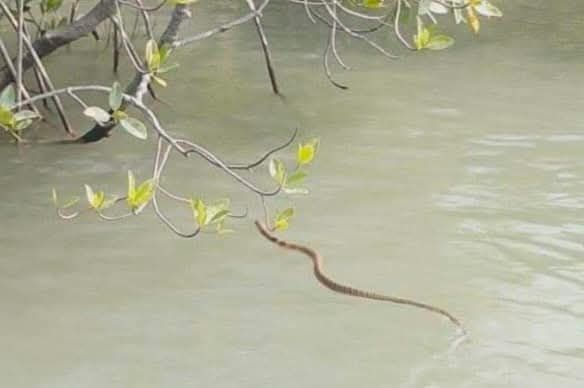
In the Sundarbans, folklore is woven into the very fabric of daily life. The People of Sundarbans have long lived in a delicate balance with nature. Just as the forest goddess Bonbibi is worshipped for protection from tigers, the serpent goddess Mansa is revered, reflecting a deep-seated respect and fear for the region’s snakes. These ancient beliefs and Sundarban legends paint a picture of a community living in harmony with a powerful and often perilous natural world.
The Venomous Inhabitants of the Mangroves
The wildlife in Sundarbans includes a rich diversity of reptilian life. While many are harmless, several are highly venomous and pose a significant threat. Among the most notable are:
- Kalach (Common Krait): A highly venomous nocturnal snake. Its bite can often go unnoticed until fatal symptoms appear, making it extremely dangerous.
- Chandrabora (Russell’s Viper): Though its numbers have reportedly dwindled, this viper’s potent hemotoxic venom makes any encounter incredibly perilous.
- Green Pit Viper & Common Vine Snake: These arboreal snakes are masters of camouflage, blending perfectly with the mangrove foliage of trees like the Sundari tree.
- Dharash (Indian Rat Snake): Locally known as the “horse snake,” this non-venomous but formidable snake is also a common part of the Sundarbans’ ecosystem and a key prey species for the King Cobra.
The King of All Snakes: The Fearsome King Cobra
The Sundarbans is a prime habitat for the longest venomous snake on Earth—the King Cobra (Ophiophagus hannah).
- Majestic Size: This formidable serpent can grow up to 18 feet (about 5.5 meters) in length, making it a true titan of the snake world.
- Potent Neurotoxin: Its venom is so powerful that a single bite can deliver enough neurotoxin to kill a full-grown elephant within hours, and a human much sooner. The venom attacks the nervous system, leading to paralysis and respiratory failure.
- A Cannibal’s Diet: Its scientific name, Ophiophagus, literally means “snake-eater.” The King Cobra primarily preys on other snakes, including rat snakes, kraits, and even smaller cobras, playing a crucial role as an apex predator in its niche.
A Hidden Danger: The Venomous Sea Snakes of the Delta
Recently, a startling incident highlighted another threat lurking in the delta’s waters. Fishermen near Canning were shocked to find a highly venomous sea snake in their catch. Identified as the Beaked Sea Snake (Enhydrina schistosa), it is one of the world’s most poisonous marine snakes.
These snakes are far more venomous than their terrestrial counterparts like the krait or cobra. They thrive in the saline waters of the Bay of Bengal estuary and can stay submerged for hours. Their venom is a deadly cocktail of neurotoxins and myotoxins (which destroy muscle tissue). Worryingly, the standard antivenom (AVS) in India is ineffective against its bite, meaning an encounter is often a death sentence with no available treatment.
The Human Threat: Illegal Wildlife Trafficking
Beyond natural dangers, the snakes of the Sundarbans face a grave threat from humans. A network of smugglers operates in the deep forest, illegally capturing rare and venomous snakes. This cruel and illegal trade, which extracts snake venom for the black market, not only endangers local communities but also pushes fragile snake populations closer to extinction, undermining crucial conservation efforts in the Sundarban Tiger Reserve.
The Sundarbans remains a realm of breathtaking biodiversity, where every creature, from the majestic tiger to the slithering snake, plays a vital role. Protecting this delicate balance is crucial for the survival of both the unique wildlife and the resilient people who call this mangrove kingdom home.
Frequently Asked Questions (FAQ) about Sundarbans Snakes
1. What are the most dangerous snakes found in the Sundarbans?
The Sundarbans is home to several highly venomous snakes. The “big four” to be wary of are the King Cobra, the Common Krait (Kalach), the Russell’s Viper (Chandrabora), and various species of sea snakes, which are extremely venomous.
2. Is the King Cobra common in the Sundarbans?
While the Sundarbans is a prime habitat for the King Cobra, they are solitary and elusive creatures. Sightings are rare, even on a dedicated Sundarban safari, but their presence is a key indicator of a healthy mangrove ecosystem.
3. Are sea snakes a major threat to tourists and fishermen?
Sea snakes are a significant threat, particularly to fishermen who may accidentally catch them in their nets. Their venom is more potent than most land snakes, and critically, there is no effective antivenom available in the region. Tourists on a Sundarban boat trip are generally safe as these snakes do not typically attack boats.
4. How do the local people in the Sundarbans deal with snakes?
The People of Sundarbans have a relationship of both fear and reverence for snakes. Culturally, many worship the serpent goddess Mansa for protection. Practically, they rely on traditional knowledge to avoid snakes and are extremely cautious when moving through the forest or their fields.
5. What is being done about snake venom smuggling?
Forest officials and conservation organizations are actively working to combat wildlife trafficking. Patrolling in the Sundarban National Park has been increased, and awareness campaigns are conducted to highlight the ecological damage caused by this illegal trade and the importance of protecting the region’s biodiversity.
#Sundarbans #Snakes #KingCobra #Venom #Wildlife #WestBengal #MangroveForest #Conservation #Russellsviper #Krait #SeaSnake #Herpetology #Banbibi #WildlifeTrafficking #DeadlySnakes #UNESCOWorldHeritageSite #RoyalBengalTiger #WildlifePhotography #Ecotourism #AdventureTravel #PeopleofSundarbans #LocalCulture #MangroveEcosystem #Biodiversity #WildlifeinSundarbans #IndianPython #SundarbanNationalPark #BayofBengal #NaturePhotography #ForestLife
#Sundarbans #Snakes #KingCobra #Venom #Wildlife #WestBengal #MangroveForest #Conservation #Russellsviper #Krait #SeaSnake #Herpetology #Banbibi #WildlifeTrafficking #DeadlySnakes #UNESCOWorldHeritageSite #RoyalBengalTiger #WildlifePhotography #Ecotourism #AdventureTravel #PeopleofSundarbans #LocalCulture #MangroveEcosystem #Biodiversity #WildlifeinSundarbans #IndianPython #SundarbanNationalPark #BayofBengal #NaturePhotography #ForestLife
 Samiran Mandal