The Sundari Tree: Unraveling the Mystery of the Sundarbans’ Namesake
The name “Sundarbans” evokes images of a mystical, sprawling mangrove forest, a realm of tigers and tides. But where does this enchanting name come from? Is it simply the Bengali for “beautiful forest” (sundar ban)? Or does the secret lie with its most iconic inhabitant—the magnificent Sundari tree?
Let’s delve into the story of this remarkable tree, its unique characteristics, and the environmental tale it tells across the border between India and Bangladesh.
What’s in a Name? The Origins of ‘Sundarbans‘
The etymology of “Sundarbans” is a subject of folklore and debate, with no single confirmed answer. The most popular theories are:
The Forest of Sundari Trees: The most widely accepted theory is that the forest is named after the Sundari tree (Heritiera fomes), which once dominated the landscape.
The Beautiful Forest: In Bengali, Sundar means “beautiful” and Ban means “forest.” This literal translation is a simple and fitting description.
The Sea Forest: Some speculate the name evolved from Samudra-ban (sea forest), referring to its coastal location.
While the Mughals called it the “forest of Bhati” and the British solidified the name “Sundarbans” on the world map, the connection to the Sundari tree remains the most compelling. To understand why, we first need to meet the tree itself.
Meet the Namesake: The Magnificent Sundari Tree (Heritiera fomes)
The Sundari is not just any tree; it is the heroine of this ecological saga. Scientifically known as Heritiera fomes, it belongs to the Malvaceae family (previously Sterculiaceae).
Key Characteristics:
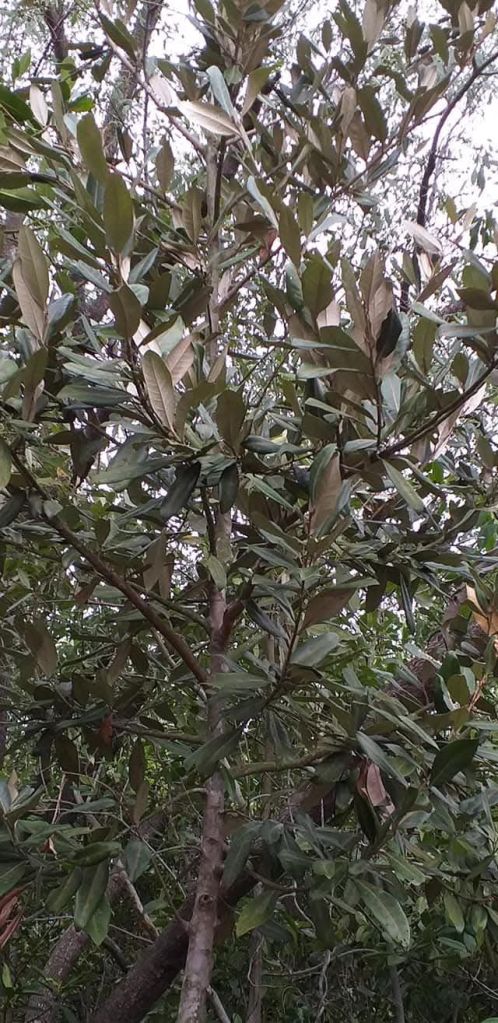
Stature: Unlike many squat, densely branched mangroves, the Sundari grows tall and slender, making it a prominent feature of the forest canopy.
Unique Leaves: The leaves are the tree’s most stunning feature. The top surface is a glossy, dark olive green, but the underside is a rough, silvery-white. When the wind rustles the canopy, the leaves flip over, creating a breathtaking shimmering effect. As the original text poetically notes, seeing this, “anyone will say oh, how beautiful you are!”
Valuable Timber: Sundari provides extremely high-quality, durable hardwood. It is so prized that it was rumored to have been used to construct the Speaker’s chair in India’s Lok Sabha.
Buttress Roots: To anchor itself in the soft, muddy soil and withstand cyclones, the Sundari develops strong, plank-like buttress roots that extend from the base of the trunk.
Life Cycle: The tree blossoms with small, bell-shaped flowers in the spring. These develop into ridged, horn-shaped fruits that mature and fall during the summer, ready to germinate in the rainy season.
A Mangrove Associate, Not a “True” Mangrove
Interestingly, the Sundari tree is technically a “mangrove associate” or “back mangal.” This is because it lacks a key trait of true mangroves: vivipary (live germination, where seeds sprout while still attached to the parent tree). This distinction is crucial to understanding its distribution.
A Tale of Two Forests: The Cross-Border Divide
The Sundarbans is a single ecosystem split between two countries: about 60% lies in Bangladesh, and 40% in West Bengal, India. However, the health and abundance of the Sundari tree are vastly different on each side.
The Sundari population is far more lush, healthy, and numerous in the Bangladeshi Sundarbans. In the Indian Sundarbans, the trees are less common and their growth is often stunted. Why?
The Salinity Secret: Why Bangladesh’s Sundari Trees Flourish
The answer lies in a single, critical factor: salinity.
Although the Sundari is a salt-tolerant plant, it thrives best in soil and water with low salinity. It prefers the brackish environment of the “back mangroves,” slightly away from the direct, high-salinity seawater.
In Bangladesh: The Sundarbans receives a massive, continuous flow of freshwater from major river systems like the Padma, Jamuna, Meghna, and Buriganga. This freshwater mixes with the seawater, significantly diluting its salt content and creating the ideal low-salinity conditions for the Sundari tree to flourish.
In India: The situation is drastically different. Many of the historical rivers that fed the Indian Sundarbans—like the Ichamati, Vidyadhari, and Piyali—are now considered dead or have severely reduced flow. The primary source of freshwater, the Hooghly River, is not enough to lower the salinity across the vast Indian portion of the forest.
This higher salinity in the Indian Sundarbans creates a stressful environment for the Sundari tree, limiting its growth and regeneration.
In the end, the Sundari tree tells a powerful story. It’s not just a beautiful plant that may have named a forest; it’s a sensitive indicator of the health of an entire ecosystem. Its fate is a testament to the delicate balance of nature, where the flow of a river can determine the destiny of a forest.
 Samiran Mandal