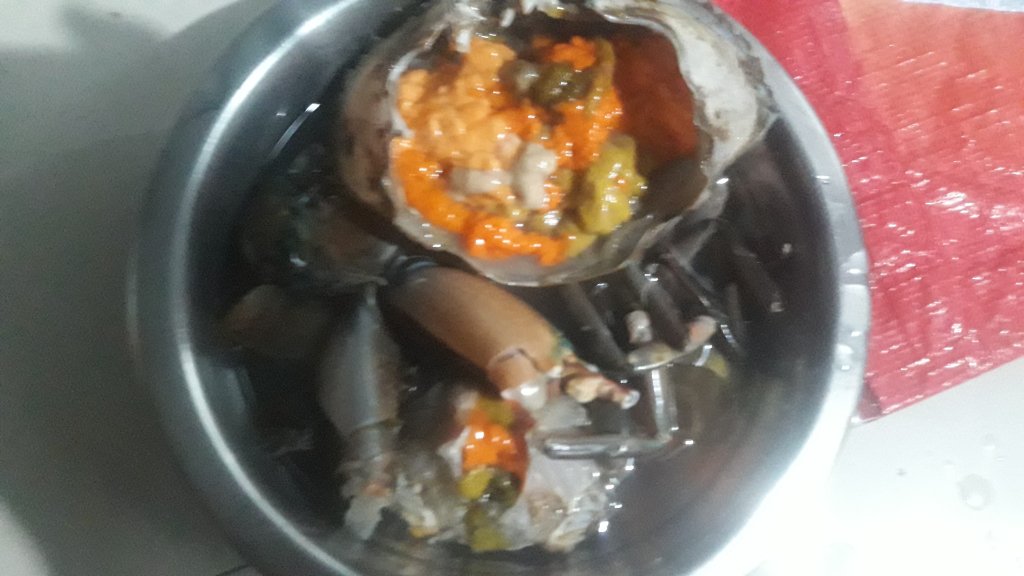
Discover the rustic flavors of the Sundarbans with our ultimate guide to 9 authentic Bengali recipes. Learn to cook traditional crab curry (Kakra Jhal), Sorshe Chingri Bhapa (steamed mustard shrimp), and rustic village-style dishes. Perfect for food lovers seeking true Indian coastal cuisine.
The Sundarbans, the world’s largest mangrove forest, is a land of mystique, resilience, and untamed beauty. But beyond the Royal Bengal Tigers and winding rivers lies a culinary tradition that is just as wild and authentic. The cuisine of the Sundarbans is a celebration of simplicity, freshness, and the bounty of nature. It’s about what the river provides today—be it fresh crab, plump shrimp, or local fish—cooked with minimal spices to let the core flavors shine.
This guide will take you on a culinary journey into the heart of Bengali coastal cooking. We’ll explore everything from rustic, village-style “makha” (mashed) dishes to the timeless classics served in urban Bengali homes. Get ready to bring the soul of the Sundarbans to your kitchen.
A Note on Preparation: Before you begin, properly cleaning your seafood is key. For crabs, discard the hard top shell, gills (feathery parts), and the triangular flap on the belly. Crack the claws slightly so the masalas can seep in. For shrimp, de-shell and devein them.
Part 1: The Rustic Soul of the Sundarbans – Earthy & Authentic Flavors
These recipes are the essence of Sundarbans cooking—simple, resourceful, and deeply connected to the land.
1. Kachur Mukhi diye Kain Macher Jhol (Taro Root & Kain Fish Curry)
This light, soupy curry is a staple in Sundarbans households. The earthy flavor of Kachur Mukhi (Taro Root) pairs beautifully with a fresh catch of Kain Mach, a local freshwater fish.
Bengali fish curry, taro root recipe, macher jhol, rustic Indian fish curry.
- Ingredients:
- Kain Fish (or any small freshwater catfish): 250-300g
- Taro Root (Kachur Mukhi): 200g, peeled and sliced
- Potato (optional): 1, diced
- Onion Paste: 2 medium onions
- Ginger Paste: 1 tsp
- Cumin Paste/Powder: 1 tsp
- Turmeric Powder: 1 tsp
- Red Chili Powder: ½ tsp (or to taste)
- Nigella Seeds (Kalo Jeera): ½ tsp
- Green Chilies: 3-4, slit
- Salt: to taste
- Mustard Oil: for frying and cooking
- Instructions:
- Marinate the fish with salt and turmeric. Lightly fry in hot mustard oil and set aside.
- In the same oil, lightly fry the taro root and potato pieces and set them aside.
- Add nigella seeds to the remaining oil. Once they splutter, add the onion paste and fry until golden.
- Add ginger and cumin paste, and sauté. Add turmeric and chili powder with a splash of water and cook until the oil separates.
- Add warm water to form the gravy, along with salt. When it boils, add the fried taro root and potato.
- After a few minutes, add the fried fish and slit green chilies. Cover and simmer for 5-7 minutes, until the taro root is tender.
- Sundarbans Touch: Drizzle a teaspoon of raw mustard oil on top before serving with hot rice.
2. Pui Shaak o Kakra (Malabar Spinach with Crab)
A perfect example of using what’s available, this dish combines crabs from the creek with Malabar Spinach (Pui Shaak) from the backyard.
Malabar spinach recipe, crab and vegetable curry, authentic Bengali charchari.
- Ingredients:
- Medium Crabs: 4-5, cleaned and halved
- Malabar Spinach (Pui Shaak): 1 large bunch
- Potato & Pumpkin: diced
- Onion & Garlic Paste, Green Chilies
- Bengali Five-Spice (Panch Phoron): 1 tsp
- Dry Red Chili: 2
- Turmeric Powder, Salt, Mustard Oil
- Instructions:
- Fry the crabs with salt and turmeric and set aside.
- Temper the oil with panch phoron and dry red chili. Sauté the onions and garlic.
- Add the vegetables and spinach stems, and cook until slightly tender.
- Add the spinach leaves. As they wilt and release water, add the fried crabs and green chilies.
- Cover and cook until everything is tender and the water has mostly evaporated, creating a thick, clinging curry.
3. Kakra diye Keora’r Tok (Sour Crab Curry with Mangrove Apple)
Keora is the fruit of the mangrove apple tree, lending a unique, pungent sourness that you won’t find anywhere else. This Tok (sour curry) is a Sundarbans specialty.
Keora fruit recipe, sour crab curry, Bengali tok recipe.
- Ingredients & Instructions:
- Fry 4-5 crabs with salt and turmeric.
- Boil 3-4 Keora fruits and extract the pulp.
- Make a paste of black mustard seeds and green chili.
- Temper oil with a dry red chili, then add the mustard paste and the Keora pulp.
- Add salt, turmeric, and a pinch of sugar to balance the sourness.
- Once it boils, add the fried crabs and simmer for 5-7 minutes.
4. Kakra Sheddho Bhaja Lanka diye Makha (Boiled Crab Mashed with Fried Chili)
This is less of a recipe and more of a feeling—the simplest, most primal way to enjoy fresh crab.
Mashed crab recipe, simple crab dish, Bengali makha recipe.
- Ingredients & Instructions:
- Boil 3-4 fresh crabs until the shells turn bright red.
- In a dry pan or with a little oil, fry 3-4 dry red chilies until crisp and dark.
- Extract all the meat from the boiled crabs.
- Crush the fried red chilies with salt. Add 1 finely chopped large onion and mash it well with the chili-salt mix.
- Combine this mix with the crab meat and a generous drizzle of raw mustard oil. Serve immediately with steaming rice.
5. Pora Chingri Makha (Char-Grilled Shrimp Mash)
Similar to the crab mash, this dish gets its incredible flavor from charring the shrimp directly over a flame.
Grilled shrimp recipe, chingri makha, Bengali starter.
- Ingredients & Instructions:
- Skewer 150-200g of small shrimp or place them on a wire rack.
- Roast them directly over a low flame until they turn pink and get slightly charred.
- Peel the shrimp and lightly mash them.
- Mix with finely chopped onion, green chilies, garlic (optional), cilantro, salt, a squeeze of lemon juice, and a drizzle of mustard oil.
Part 2: The Timeless Bengali Kitchen Classics
These recipes are beloved across Bengal, prepared with slightly more elaborate spices but still retaining their authentic core.
6. Kakra’r Kalia (Rich & Festive Crab Curry)
A Kalia is a rich, luscious curry, typically made for special occasions. The thick gravy, fragrant with whole spices, is perfect for soaking up with luchi or parathas.
Crab Kalia, Bengali festive food, rich Indian crab curry.
- Ingredients & Instructions:
- Boil and break 4 large crabs.
- Sauté finely chopped onions until deep golden. Add ginger, garlic, and tomato paste and cook well.
- Add powdered spices (turmeric, cumin, coriander, red chili) and cook until oil separates.
- Add the crab pieces and sauté for a few minutes.
- Add water, salt, and a pinch of sugar. Simmer until the gravy thickens. Garnish with fresh cilantro.
7. Kakra’r Korma (Crab Korma with Mughlai Influence)
With its roots in Mughlai cuisine, a Korma is creamy, aromatic, and mildly spiced.
Crab Korma recipe, Indian style korma, Mughlai crab dish.
- Ingredients & Instructions:
- Blanch 4 crabs in hot water with salt and turmeric.
- Make a paste of fried onions (birista).
- Sauté ginger-garlic paste. Add powdered spices (coriander, cumin, Kashmiri chili) and tomato puree.
- Add the crab pieces and sauté well.
- Add water and the fried onion paste. Cover and cook for 10 minutes until the gravy is thick and creamy. Finish with a pinch of shahi garam masala.
8. Sorshe Chingri Bhapa (Classic Steamed Mustard Shrimp)
This is arguably one of the most iconic Bengali dishes. Bhapa means steamed, and the combination of pungent mustard and sweet shrimp, steamed to perfection, is heavenly.
- Keywords: Sorshe Chingri Bhapa, steamed mustard shrimp, easy bengali shrimp recipe.
- Ingredients:
- Large Shrimp (Prawns): 250g
- Black & Yellow Mustard Seeds, Poppy Seeds
- Grated Coconut, Yogurt (optional)
- Green Chilies, Turmeric Powder, Salt
- Raw Mustard Oil: 4 tbsp (the star ingredient)
- Instructions:
- Make a smooth paste of mustard seeds, poppy seeds, and green chilies.
- In a steel tiffin box, mix the shrimp with the mustard paste, grated coconut, yogurt, salt, turmeric, and half the mustard oil.
- Top with slit green chilies and the remaining mustard oil. Close the lid tightly.
- Steam the box in a pot of simmering water for 10-12 minutes. Let it rest before opening.
Part 3: Modern & Fusion Tastes
This recipe shows how traditional techniques can be adapted with global flavors.
9. Kakra’r Bhapa with Soya-Vinegar (Steamed Crab with an Asian Twist)
A departure from the classic mustard bhapa, this version uses soya sauce and vinegar for a tangy, umami-rich flavor.
- Keywords: Steamed crab recipe, fusion Indian food, easy crab appetizer.
- Ingredients & Instructions:
- Pressure cook 6 crabs in plain water for about 30 minutes.
- Make a sauce by mixing soy sauce, vinegar, and finely chopped ginger.
- Pour this sauce over the cooked crabs and heat for a few minutes.
- Garnish with finely chopped bell peppers and parsley.
Frequently Asked Questions (FAQ)
- Q: What is a good substitute for Kain fish?
- A: You can use any small, firm-fleshed freshwater fish like tilapia, small catfish, or perch.
- Q: I find black mustard too pungent. What can I do?
- A: Use a higher ratio of yellow mustard seeds to black, or add more poppy seeds and coconut to mellow the flavor. Soaking the seeds in warm water with a pinch of salt also helps.
- Q: Can I make these recipes less spicy?
- A: Absolutely. Reduce the amount of red chili powder and use whole green chilies instead of slitting them to get the flavor without the intense heat.
Which of these Sundarbans recipes will you try first? Dive into this culinary adventure and bring the authentic taste of coastal Bengal to your table. Let us know your experience in the comments below.
 Samiran Mandal