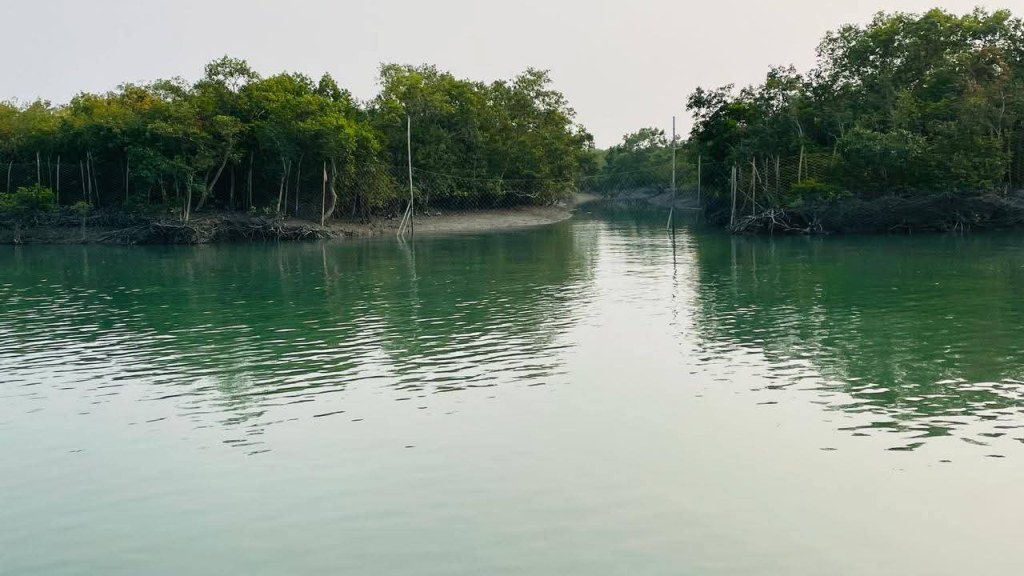
Journey into the Planet’s Green Lung

The Sundarbans. The name itself sends a shiver of excitement down your spine. It conjures visions of dense, mysterious jungles, crocodiles basking on murky riverbanks, and the elusive, royal presence of the striped tiger deep within the mangroves. Straddling the border of India and Bangladesh, this UNESCO World Heritage Site isn’t just a forest; it’s the largest single block of tidal mangrove forest in the world—a living, breathing wonder of nature.
If you are a seeker of adventure, nature, and mystery, the Sundarbans will not disappoint.
Wondering how to plan your trip? What will it cost? What are the must-see spots? Which itinerary offers the best experience? This is your complete A-Z guide to answer every question you have about the magnificent Sundarbans.
Know the Sundarbans: A Glimpse into its History & Name
To make your journey more meaningful, it’s essential to know the story behind this ancient forest.
- A Land Born from the Sea: Experts believe this landmass emerged from the sea’s womb after a cataclysmic natural event nearly two thousand years ago. The region holds historical relics from the Mauryan, Gupta, and Sena dynasties, through to the Mughal and British eras.
- The Mystery of its Name: Several theories surround the origin of the name “Sundarban”:
- The most popular theory is that it’s named after the abundant “Sundari” trees (Heritiera fomes) that dominate the forest.
- Another theory suggests it comes from “Samudra-ban” (Sea Forest), aptly describing its location on the edge of the Bay of Bengal.
- A lesser-known idea is that the British, observing the diverse flora, called it the “Jungle of Sundry,” which evolved into Sundarban.
The Best Time to Visit
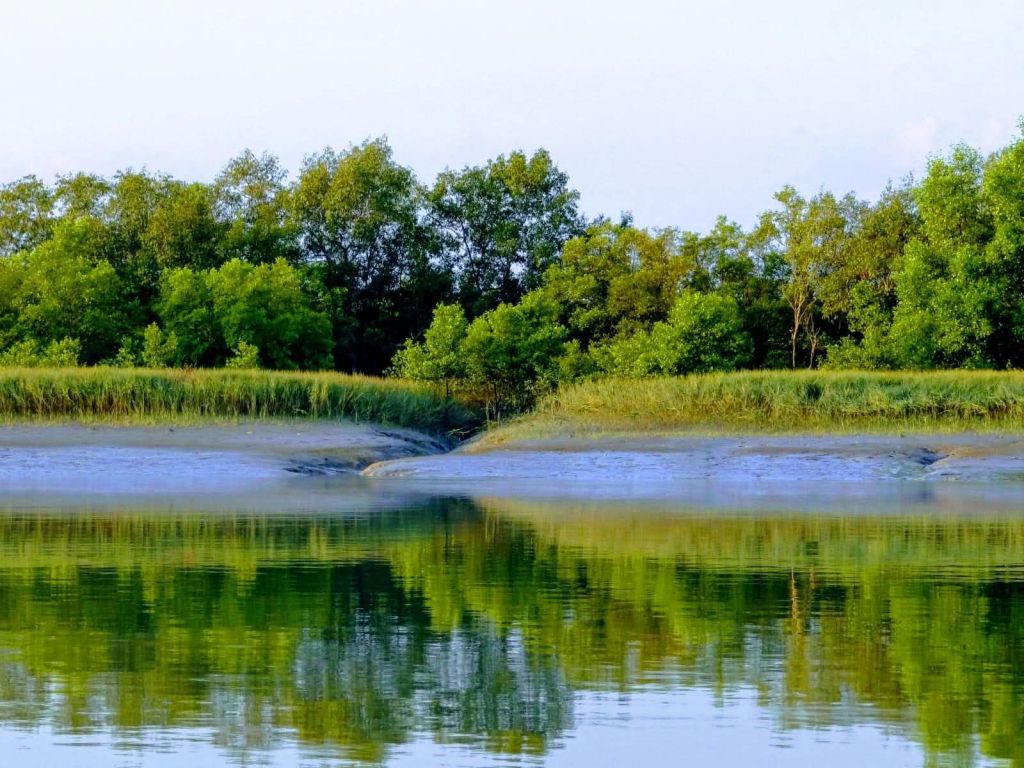
The ideal time to experience the Sundarbans in its full glory is between October and March. During these months, the weather is pleasant, the river waters are calm, and the chances of spotting wildlife are significantly higher.
How to Get There (From Kolkata)
Your journey to the Indian Sundarbans will almost always begin by reaching the main entry point, Gadkhali jetty.
- By Road: The most convenient option is to hire a private car directly from Kolkata to Gadkhali. The distance is approximately 85-90 km, and the journey takes about 3 to 4 hours. Alternatively, you can take a bus to Canning or Sonakhali and then an auto-rickshaw to the jetty.
- By Train: Take a local train from Sealdah Station (South Section) to Canning. From Canning station, you can easily find auto-rickshaws or shared vans to take you to Gadkhali.
From Gadkhali, your thrilling adventure on the water begins.
What to See: The Main Attractions
Every bend in the Sundarbans’ rivers tells a new story, but some spots are simply unmissable.
- Watch Towers: The watchtowers at Sajnekhali, Sudhanyakhali, and Dobanki offer panoramic views of the forest canopy and are excellent spots for wildlife viewing.
- Mangrove Interpretation Centre: Located in Sajnekhali, this museum offers fascinating insights into the Sundarbans’ unique ecosystem, its flora, and its fauna.
- Dobanki Canopy Walk: Experience the thrill of walking through the forest canopy on a 496-meter-long walkway suspended about 20 feet above the ground. It’s an unforgettable experience.
- Rivers and Creeks: The journey through wide rivers like the Matla and Vidyadhari, and navigating narrow, winding creeks, is where the real magic of the Sundarbans lies.
- Islands: Key islands to visit include Jharkhali (home to a tiger rescue center), Pakhiralay (a popular village for tourist accommodation), Lothian Island, and Haliday Island.
- Wildlife: While the Royal Bengal Tiger is the star attraction, keep your eyes peeled for Spotted Deer (Chital), wild boars, rhesus macaques, fishing cats, and, of course, the formidable Saltwater Crocodile. The region is also a paradise for birdwatchers.
Your Sundarbans Itinerary: How to Plan Your Tour
The Sundarbans is a vast expanse. Depending on your time, you can choose from several itineraries. Here are a few popular plans to give you a clear idea.
Plan 1: The Day-Trip Whirlwind (Morning to Evening)
Ideal for those short on time but eager for a taste of the mangroves.
- 8:30 AM: Depart from Kolkata by car.
- 12:30 PM: Arrive at Gadkhali jetty and board your pre-booked launch or motorboat. Enjoy a delicious lunch on board as you cruise towards the forest.
- 2:00 PM: Reach Sajnekhali. Visit the Watch Tower and the Mangrove Interpretation Centre.
- 4:00 PM: Head to Sudhanyakhali Watch Tower, a prime location for spotting deer and other wildlife.
- 5:30 PM: Begin your return journey to Gadkhali, enjoying the sunset over the river.
- 7:00 PM: Arrive at Gadkhali and depart for Kolkata.
Plan 2: The Classic Overnight Experience (1 Night, 2 Days)
This plan allows you to soak in the serene nights and misty mornings of the Sundarbans.
- Day 1: Follow the day-trip itinerary until the afternoon. After visiting Sudhanyakhali, your boat will venture deeper through canals like Pirkhali and Choragazikhali to reach Dobanki. Experience the thrilling Canopy Walk before heading towards Pakhiralay or Jharkhali to anchor for the night. Enjoy a memorable evening on the launch.
- Day 2: Wake up to the sound of birds. After breakfast, you can take a brief walk through a local village. Later, visit the Tiger Rescue Centre at Jharkhali before starting your return journey. After lunch on board, you’ll reach Gadkhali by late afternoon to head back to Kolkata.
Plan 3: The Deep Jungle Expedition (2 Nights, 3 Days)
For those who want to immerse themselves in the raw, untamed beauty of the Sundarbans.
- Day 1: Your first day is similar to the 2-day plan, covering Sajnekhali, Sudhanyakhali, and Dobanki, before anchoring for the night at Pakhiralay.
- Day 2: Today, you journey into the deep forest. Embark on a long, 6-hour boat ride towards Burir Dabri, near the Bangladesh border. The journey along the vast Raymangal River, flanked by dense mangroves, is breathtaking. Explore the mangrove cage trail and watchtower at Burir Dabri. On your way back, pass by historic sites like Kumirmari and Marichjhanpi. The evening can be enlivened with a local folk music performance.
- Day 3: Explore the southern reaches of the Sundarbans. Visit the Bhagabatpur Crocodile Project, Lothian Island, or the sea-facing beach at Kalashdeep. After a final lunch on the boat, you’ll make your way back to Gadkhali, filled with memories of an incredible adventure.
Life on the Edge: The People and Their Faith
Life here is governed by the ancient proverb, “Danga-e Bagh, Joley Kumir” (Tiger on land, Crocodile in water).
- Mouli & Bauli: The Mouli are the brave honey collectors who venture deep into the forest. They are often accompanied by Bauli (tiger charmers), who are believed to possess mantras to ward off tigers.
- Bonbibi & Dakshin Rai: To survive these perils, the locals rely on faith. They worship Bonbibi, the goddess of the forest, and Dakshin Rai, the god of tigers. In a beautiful display of syncretism, Bonbibi is revered by both Hindus and Muslims, a testament to the fact that when survival is at stake, faith unites all.
Budget and Costs
Sundarbans tours are almost always booked as all-inclusive packages.
- Package Cost: A standard 2-night, 3-day package typically costs between INR 3,500 to INR 7,000 per person. The price varies based on the quality of the boat, accommodation, and services.
- What’s Included: The package usually covers accommodation (on boat/resort), all meals, forest permits, guide fees, and boat safaris.
- What’s Extra: Your travel cost to and from Gadkhali, as well as any personal expenses.
Essential Tips & Safety Rules
- Carry a Valid ID: It’s mandatory for forest permits (Aadhaar Card, Voter ID, or Passport for foreigners).
- Dress Smart: Wear earth-toned clothing (green, beige, brown) to blend in with the surroundings. Avoid bright colors.
- Hire a Reliable Guide: Always travel with an experienced and licensed guide or a reputable tour operator.
- Stay Safe: Never disembark from the boat into the jungle on your own. Strictly follow your guide’s instructions.
- Be Eco-Friendly: Do not litter. Avoid throwing plastics or any other waste into the rivers.
- Pack Essentials: Carry necessary medications, mosquito repellent, sunscreen, a hat, and binoculars for a better wildlife viewing experience.
- Stay Charged: Mobile network is often poor or non-existent. Carry a power bank to keep your devices charged.
The Sundarbans is more than just a destination; it’s a living, breathing classroom. The fight for survival waged by its nature and its people will teach you profound lessons about life. So pack your bags, and get ready to explore this mysterious green paradise.

 Samiran Mandal
13 responses to “Sundarbans Travel Guide : A Complete A-Z Itinerary from Costs to Mysteries”
Your love for the wild things on our planet, and concern for the inhabitants of the Sondarbans (animal and human alike) is obvious from your blog. May you inspire many hearts.
LikeLiked by 1 person
Thanks for your valuable opinion 👍
LikeLiked by 1 person
💕 Sameal Masters
LikeLiked by 2 people
Thanks 🙏
LikeLike
What a beautifully written and inviting guide to one of the planet’s most fascinating landscapes! 🌿✨
Your words instantly transport the reader into the heart of the Sundarbans — the glinting riverbanks, the stealth of the tiger, the timeless hush of mangroves swaying with the tide. I love how you balance adventure with knowledge, weaving history, etymology, and ecology into a story that feels alive.
The “A-Z guide” framing is such a practical touch, and your explanation of the forest’s origins and the layered theories behind its name adds depth and intrigue. By blending vivid imagery (“born from the sea’s womb”) with helpful context about planning a visit, you’ve created something that is both soulful and useful.
This isn’t just a travel note — it’s a celebration of heritage, biodiversity, and mystery. A thoughtful, inspiring read for anyone curious about the Sundarbans or eager to explore nature’s wildest frontiers.
LikeLike
Thanks for your valuable comments 🙏🙏 regards
LikeLiked by 1 person
I want to visit there, Can you arrange for that ?
LikeLike
If you’re planning a trip to the Sundarbans, it’s highly recommended to go as part of a group and coordinate with an organizer.
Traveling to the Sundarbans individually can be extremely expensive. This is because you’ll need to hire a boat (Bhutbhuti) or a launch to venture into the forest, as there are no local towns or cities within the mangrove areas. All your meals will be prepared and served on the boat. It only becomes cost-effective if you have a group of 10 to 12 people; otherwise, the expenses will be significant.
If you’d like, I can help you connect directly with local boat owners, which could save you agency fees.
LikeLiked by 1 person
Thanks for your like of my post, “On The Other Side Of Pain;” you are very kind.
LikeLike
Thanks 👍 and most welcome 🤗
LikeLiked by 1 person
Thank you very much.
LikeLike
Interesting post and great images 🙂
LikeLiked by 1 person
Thanks 🙏 for your compliment 🙏
LikeLiked by 1 person