
As someone who grew up amidst the mangrove creeks in Lahiripur, Gosaba, I can tell you that Sundarban has a soul that changes with the seasons. But nothing compares to its monsoon magic. Imagine the gentle rhythm of a boat gliding through those mystical waterways, the air thick with the fresh scent of rain-soaked earth, and the promise of a culinary experience centered around the king of fish—the Hilsa.
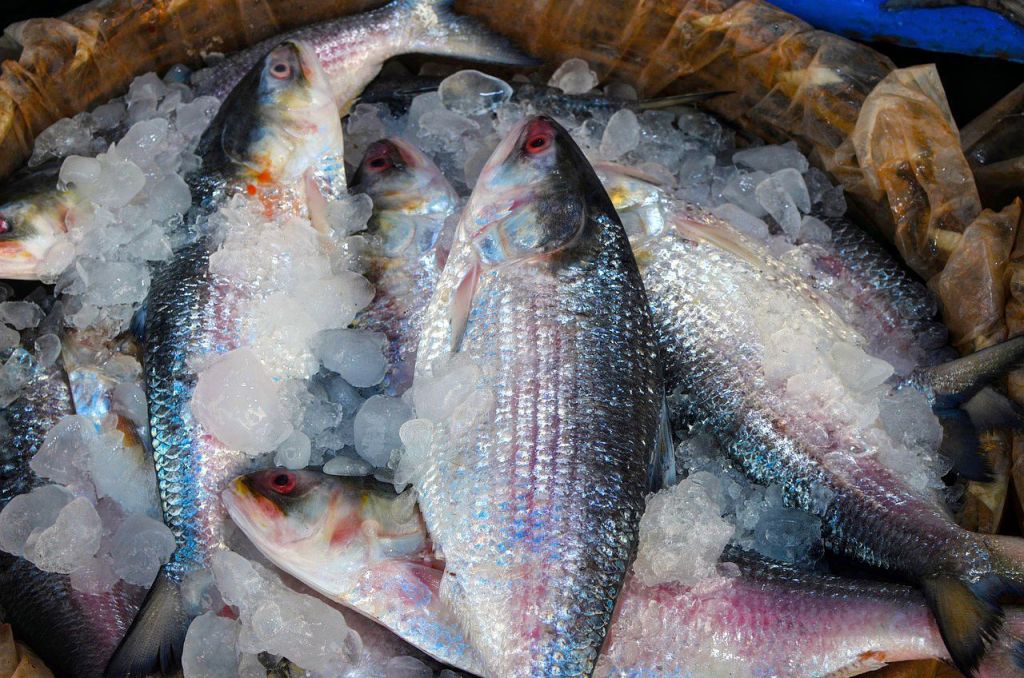
This isn’t just a dream; it’s the Sundarban Hilsa Festival (Ilish Utsav), an all-inclusive package tour designed for those who seek adventure, nature, and an unforgettable gastronomic journey. If you’re looking for the best Sundarban tour package from Kolkata during the monsoon, this comprehensive guide, written with a local’s insight, has everything you need.
Why a Monsoon Tour in Sundarban is a Must-Do Experience
While Sundarban is a year-round destination, visiting during the monsoon (June to September) offers a unique charm that many travelers miss. Here’s why a Sundarban monsoon tour is an incredible idea:
- Lush Greenery: The entire mangrove forest is rejuvenated by the rains, transforming into a vibrant, emerald paradise.
- Peak Hilsa Season: This is the prime season for Hilsa fish. Your tour package ensures you taste the freshest catch prepared in authentic Bengali styles.
- Fewer Crowds: The monsoon season is relatively off-peak, allowing for a more serene and personal experience with nature, away from the usual tourist rush.
- Thrilling River Journeys: The rivers are full, and navigating the narrow, winding creeks becomes an even more exciting adventure.
Your All-Inclusive 3-Day, 2-Night Sundarban Hilsa Festival Itinerary
Most Sundarban Hilsa Festival tour packages follow a well-structured 3D/2N itinerary, ensuring you experience the best of the jungle and its culture.
Day 1: Historical Roots and Arrival at the Mangrove Village
- Morning: Your journey begins from a designated starting point like Canning, Godkhali, or Sonakhali. After a scenic drive from Kolkata, you’ll board your dedicated tour boat. You’ll be welcomed with a refreshing drink and a hearty breakfast as the boat sets sail.
- Afternoon: The first stop is the historical village of Gosaba, a place I know like the back of my hand. Here, you’ll visit the heritage bungalows of Sir Daniel Hamilton and the Nobel laureate Rabindranath Tagore. Lunch is a grand affair served on the boat, marking the beginning of your Hilsa feast.
- Evening: As dusk approaches, you’ll cruise towards the tourist village of Pakhiralay (the land of birds). After checking into your hotel or resort, the evening comes alive with a traditional Jhumur dance performance by local artists.
- Night: A delicious dinner featuring non-Hilsa delicacies like Mutton Kosha concludes the day.
Day 2: Deep Jungle Safari and Watchtower Exploration
- Morning: The day starts early with bed tea, followed by breakfast. You’ll then venture deep into the core area of the Sundarban Tiger Reserve. Your first stop is the Sajnekhali Watchtower to obtain jungle permits and visit the mangrove interpretation center.
- Full Day Safari: Your boat will navigate through a maze of creeks and rivers, including Pirkhali, Gazikhali, and Deul Bharani. You will visit the Sudhanyakhali Watchtower, a prime spot for sighting wildlife like spotted deer, wild boars, and, if you’re lucky, the Royal Bengal Tiger.
- Afternoon: The journey continues to the Dobanki Watchtower, famous for its 500-meter-long canopy walk that offers a breathtaking bird’s-eye view of the forest. Lunch, another Hilsa-centric meal, will be served onboard.
- Evening: After a thrilling day of safari, you’ll return to your hotel in Pakhiralay. Enjoy evening snacks and tea before a sumptuous dinner.
Day 3: Local Culture and a Flavorful Farewell
- Morning: After breakfast and checkout, you’ll explore the local village life, visiting the sacred Bonbibi Temple, a deity worshipped by everyone who enters the forest.
- Lunch: The grand finale of your culinary journey awaits! For lunch, you’ll be served the much-anticipated, aromatic Hilsa Biryani (Ilish Biryani), a rare and delectable dish that perfectly concludes the festival.
- Afternoon: With your heart full of memories and your taste buds satisfied, you’ll journey back to the Godkhali/Canning ghat, where your memorable Sundarban Hilsa Festival tour comes to an end.
The Star of the Show: A Gastronomic Hilsa Itinerary

This tour is a paradise for food lovers. Your Sundarban tour food menu is a carefully curated culinary extravaganza. Expect to be served a delightful array of dishes, starting with a traditional breakfast of Luchi and Alur Dom. The real feast begins at lunch, where you’ll indulge in classics like Pui Ilish (Hilsa with Malabar spinach), the iconic Ilish Bhapa (steamed Hilsa in mustard paste), and the rich Chingri Malai Curry (Prawn in coconut cream). Day two brings more Hilsa magic with Sorshe Ilish (Hilsa in a fiery mustard gravy) and the fragrant Ilish Paturi (Hilsa steamed in banana leaves). The culinary journey culminates on the final day with the showstopper: the royal Hilsa Biryani. Non-Hilsa dishes like Mutton Curry and Chilli Chicken provide a perfect balance to the menu.
Sundarban Monsoon Travel: Your Questions Answered (Special FAQ)
As a traveler, you might have several questions about visiting Sundarban during the monsoon. As a son of Lahiripur, Gosaba, I’ve seen the moods of our rivers and forests up close. Based on that local experience, I’m here to answer some of your most common queries.
Q1: Is it safe to visit Sundarban during the monsoon?
Answer: Yes, it is absolutely safe to visit Sundarban during the monsoon, provided you travel with a reputable tour operator. All registered operators use sturdy, well-maintained boats helmed by experienced boatmen who are experts at navigating the rivers in all weather conditions. Safety equipment, including life jackets, is mandatory on all tourist boats.
Q2: What are the chances of wildlife sightings, especially tigers, in the monsoon?
Answer: A tiger sighting in Sundarban is always a matter of luck, regardless of the season. The dense foliage during monsoon can make spotting a tiger slightly more challenging. However, don’t be discouraged! The monsoon is an excellent time to see other wildlife. Spotted deer, wild boars, monkeys, and a vast array of bird species are abundant. You will also see many crocodiles basking on the riverbanks. The sight of the vibrant green forest and its active inhabitants is a reward in itself.
Q3: Is the Hilsa Festival package better than a regular monsoon tour?
Answer: While the beauty of the monsoon in Sundarban can be enjoyed on any trip, a Hilsa Festival package offers a complete, hassle-free experience. These packages are all-inclusive, covering your accommodation, all meals, jungle safaris, guide fees, and permits. The main advantage is the curated culinary journey focused on fresh Hilsa, which you might not get in such a well-organized manner on a standard tour.
Q4: What essentials should I pack for a Sundarban monsoon trip?
Answer: To make your monsoon trip comfortable, it’s wise to pack the following essentials:
- A good quality umbrella and a waterproof jacket or raincoat.
- A waterproof bag or a waterproof cover for your luggage.
- Water-resistant footwear like floaters or sandals.
- Mosquito repellent spray or lotion.
- A Ziploc bag or waterproof pouch to protect your camera and mobile phone.
- Any personal medications you require.
Q5: How do I book a Sundarban Hilsa Festival tour package?
Answer: You can find many reliable tour operators in and around Kolkata that organize these packages. Search online for “Sundarban Hilsa Festival Tour”, check reviews on platforms like Google and TripAdvisor, and ask for references. Before booking, clarify all inclusions and exclusions in the package. Booking in advance is highly recommended, especially for groups, as you can often get better rates.
 Samiran Mandal
5 responses to “Sundarban Hilsa Festival Tour Package: A Complete Guide & Monsoon FAQ”
Very nice
LikeLike
Wow that’s 👌 wonderful post congrats 👏
LikeLike
DQgGHS#HSG!e4N!
LikeLike
Reblog your postd are remarkably different congratulations 🎊
LikeLiked by 2 people
Thanks 😊
LikeLike