
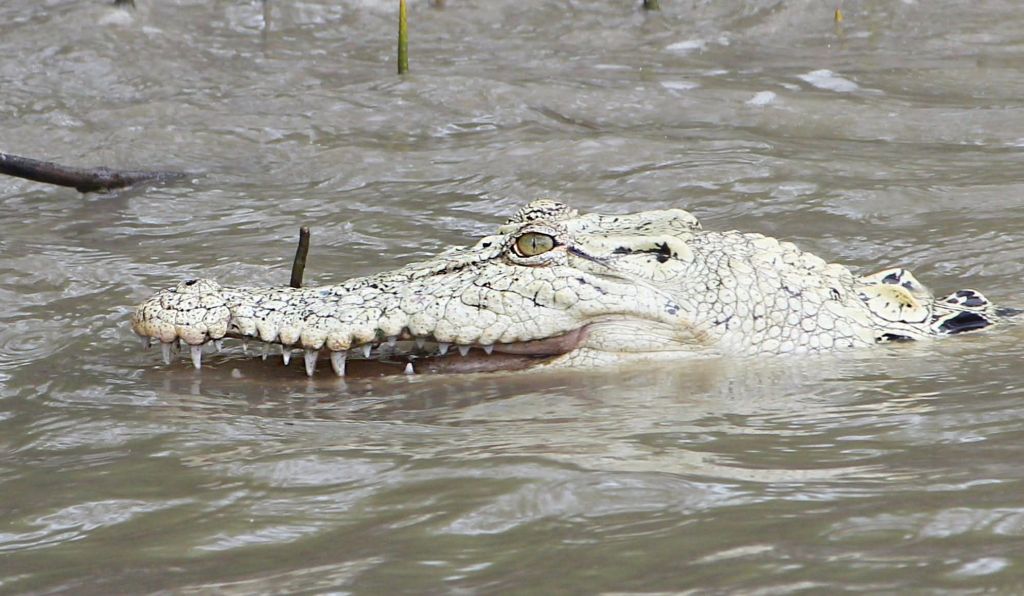
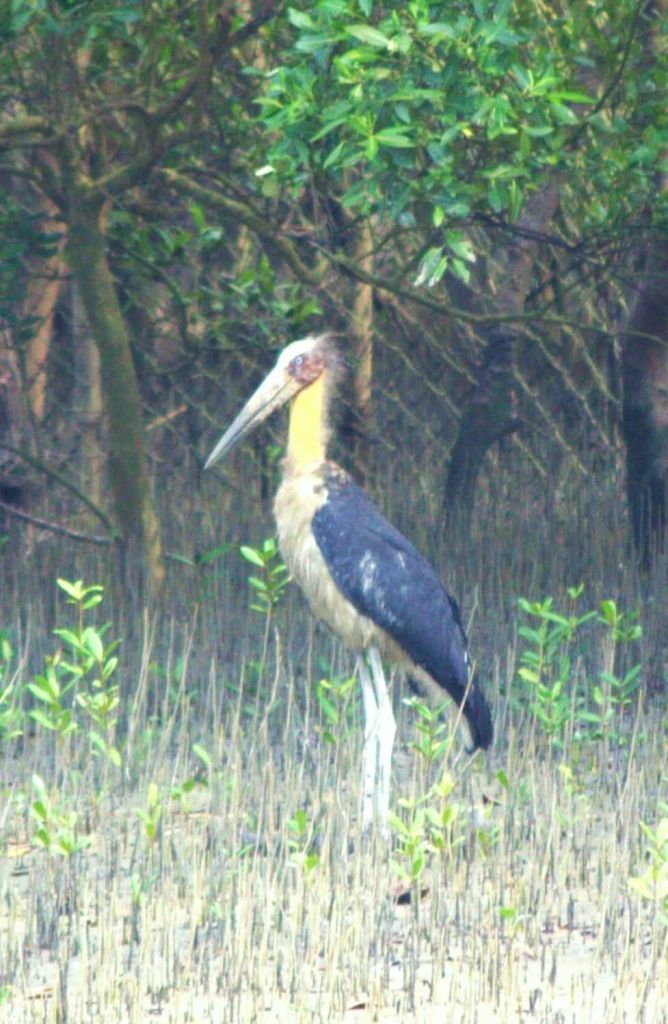
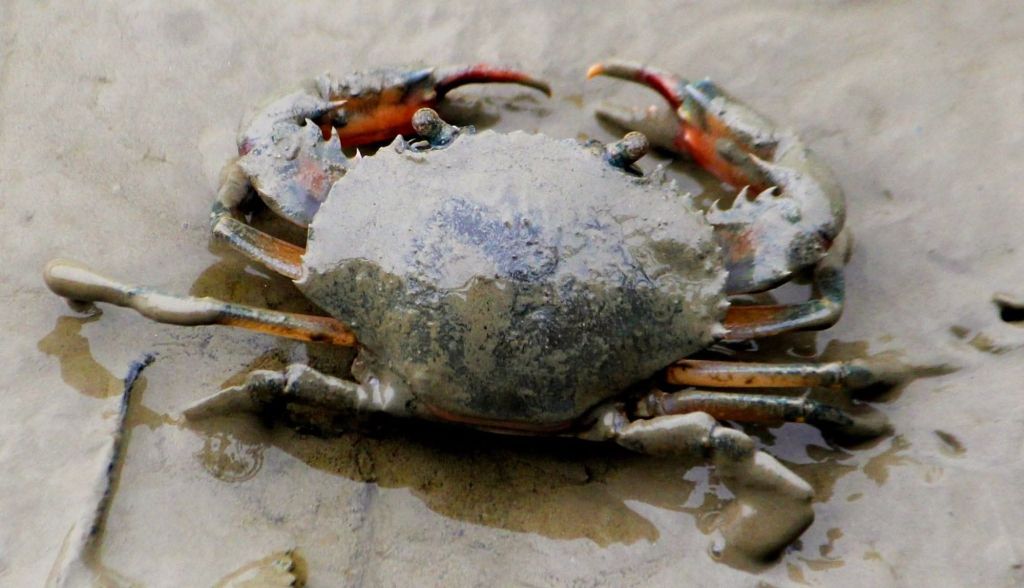
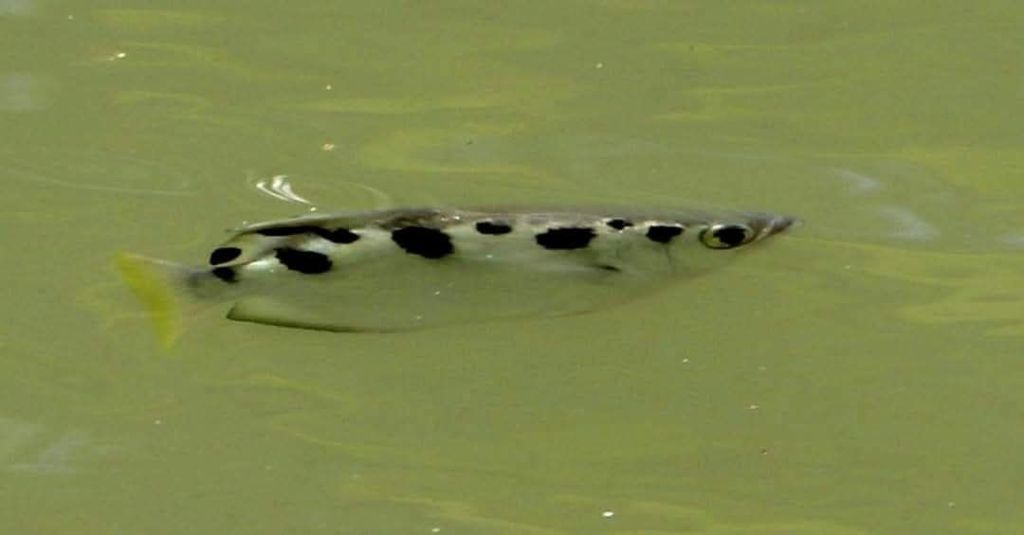
Dive deep into the mesmerizing biodiversity of the Sundarbans through the extraordinary lens of talented photographer Rabin Khatua. Our exclusive online gallery features high-resolution images of the Royal Bengal Tiger in its natural mangrove habitat, capturing rare and intimate moments of this elusive predator. Discover the vibrant mangrove ecosystem wildlife, including unique Sundarbans birds, fascinating reptiles, and diverse aquatic species, all meticulously documented. Rabin Khatua’s captivating Sundarbans photography not only showcases the breathtaking natural beauty but also highlights critical wildlife conservation efforts in this UNESCO World Heritage site. Explore the best Sundarbans wildlife photos for a truly immersive experience and learn more about Rabin Khatua’s artistic journey documenting the Sundarbans. Perfect for nature enthusiasts, researchers, and anyone passionate about Indian wildlife photography. Visit now to witness the unparalleled beauty of the Sundarbans!


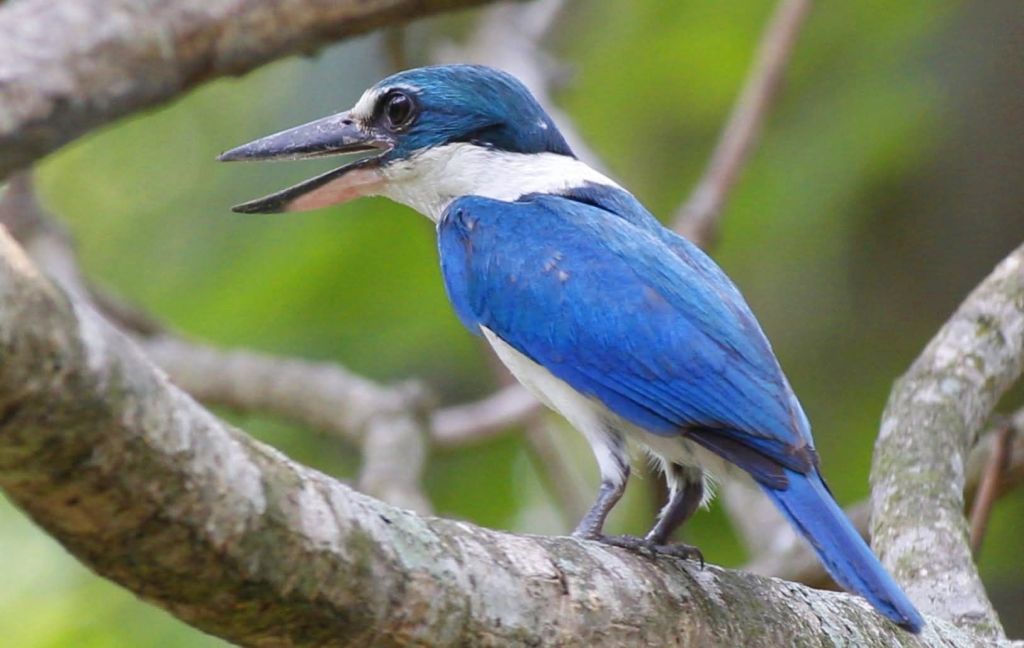
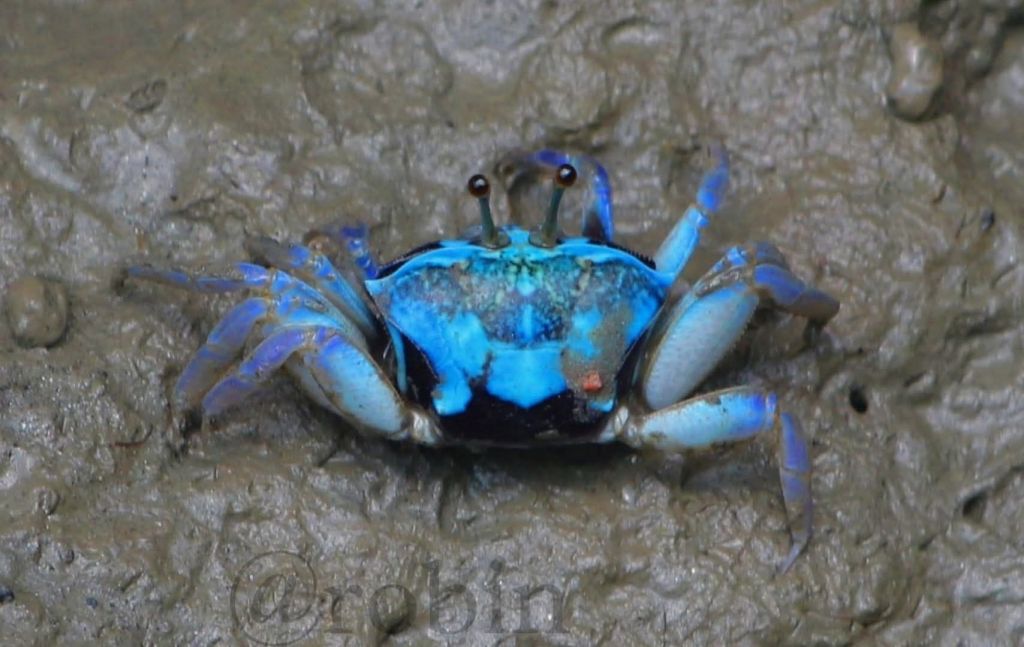


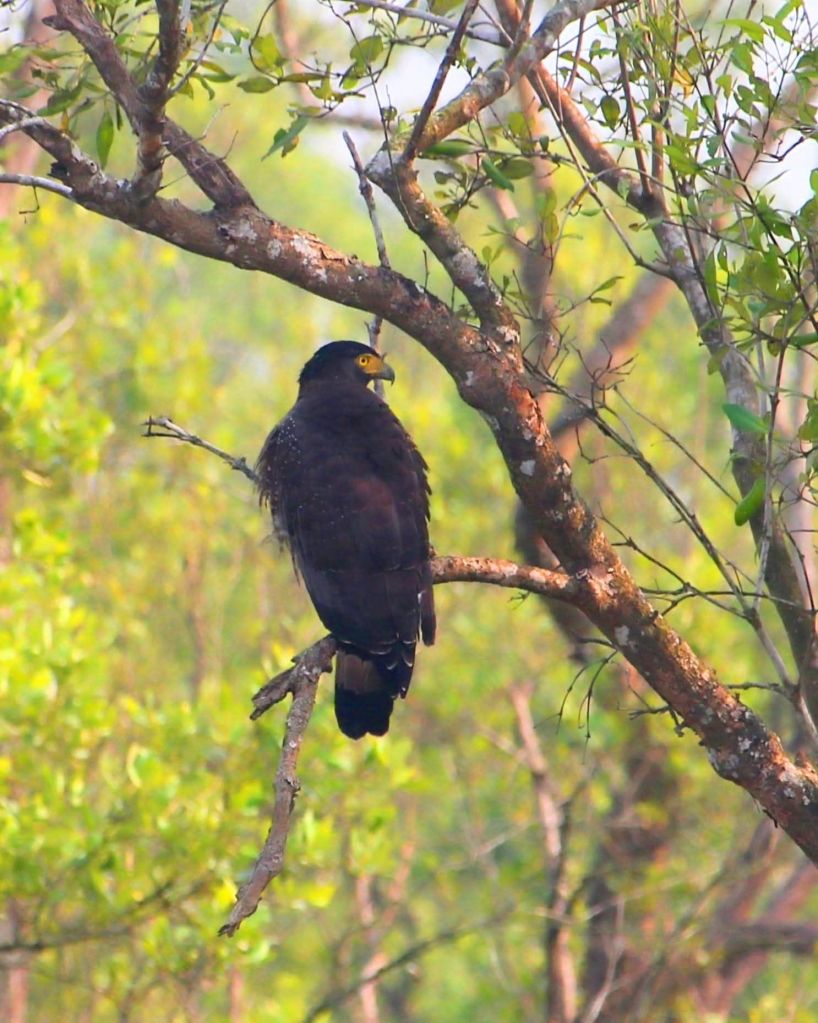
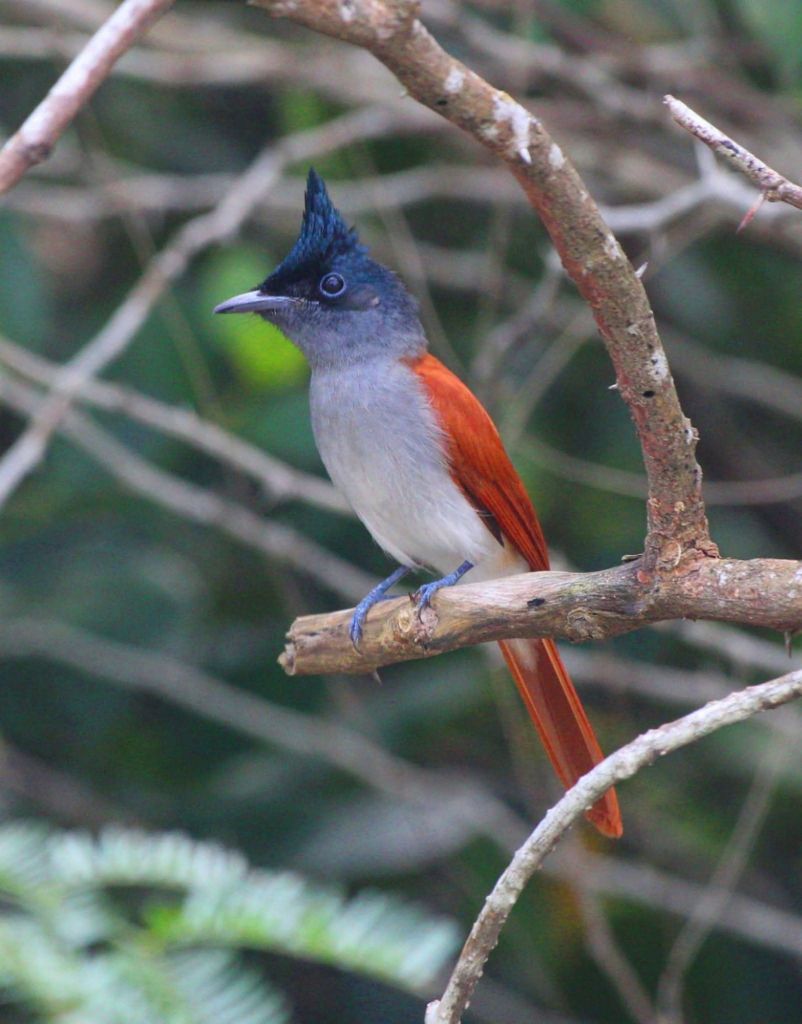


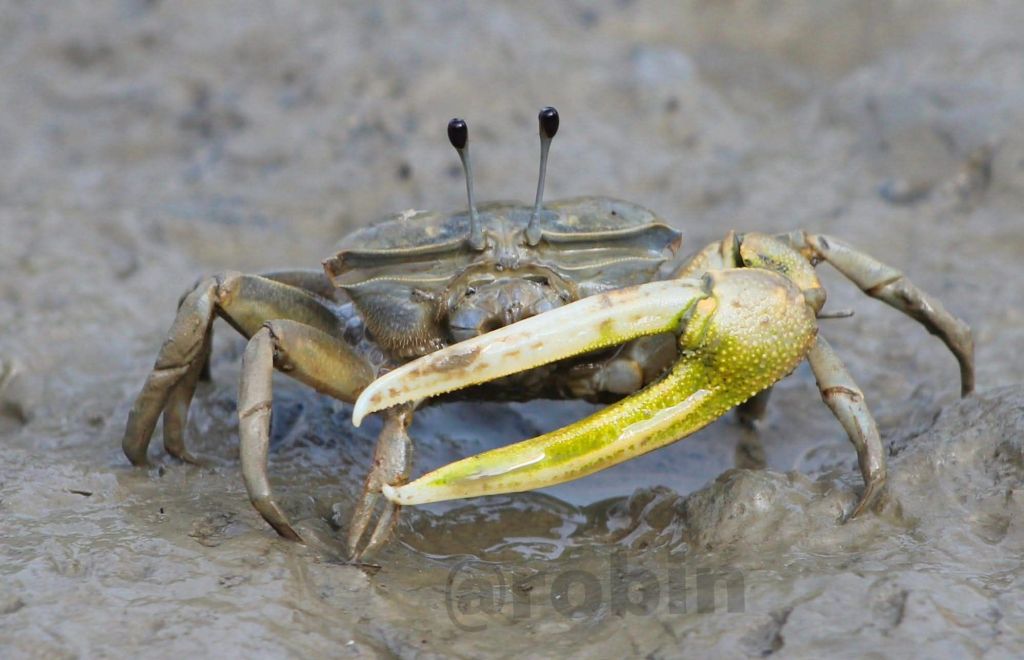
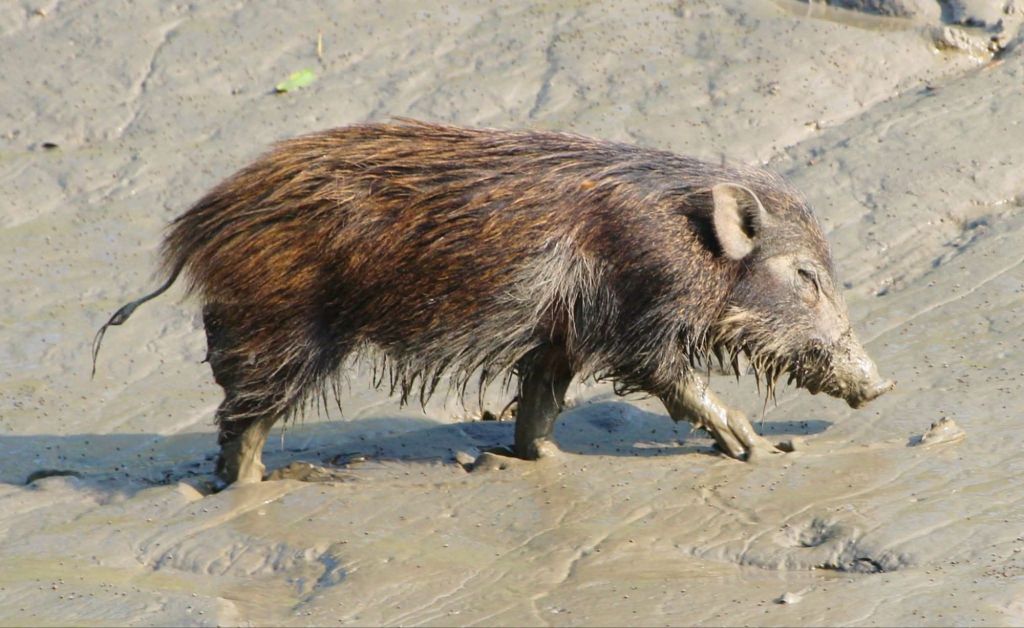


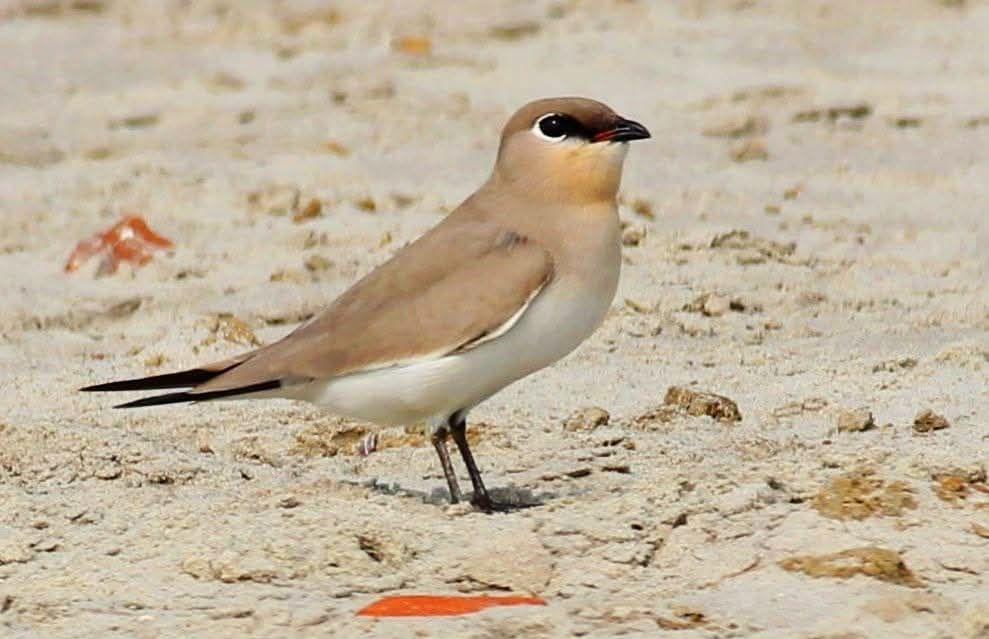
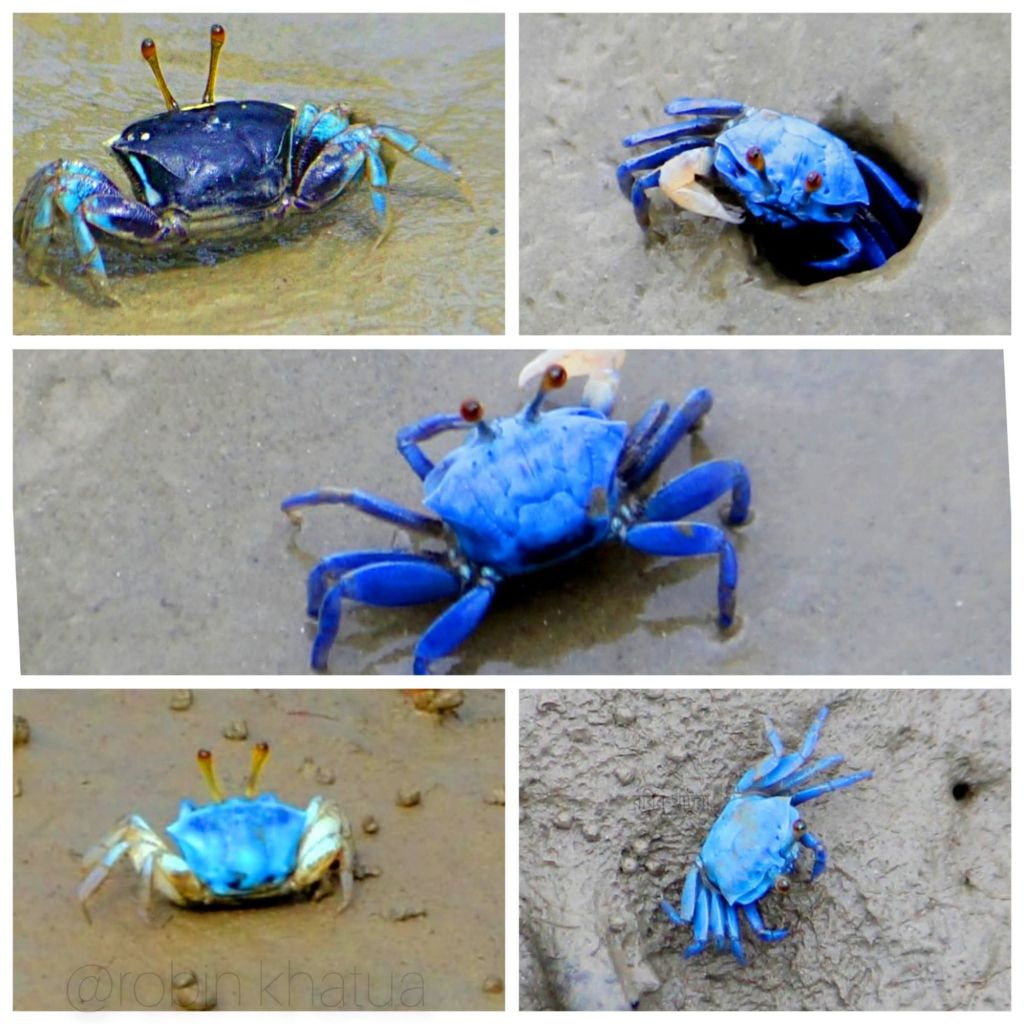


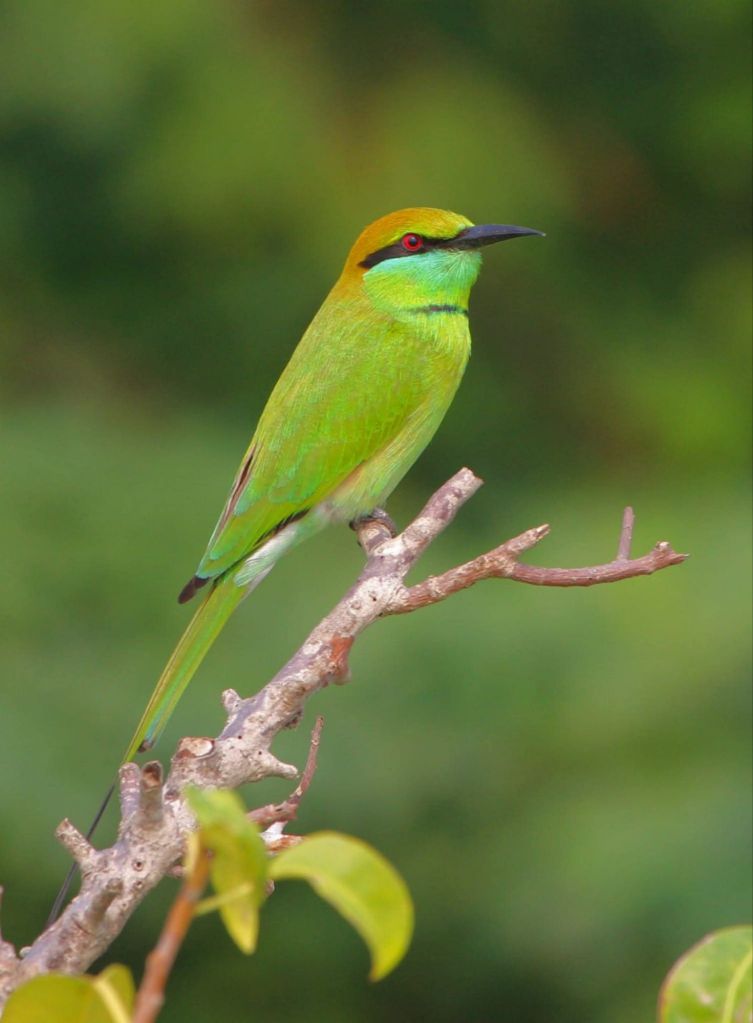
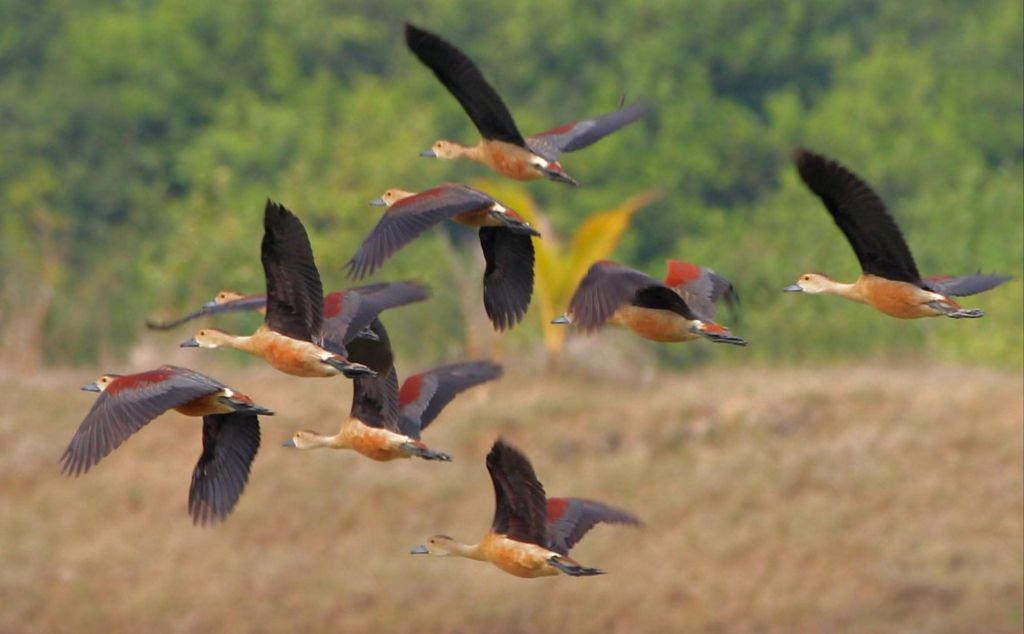
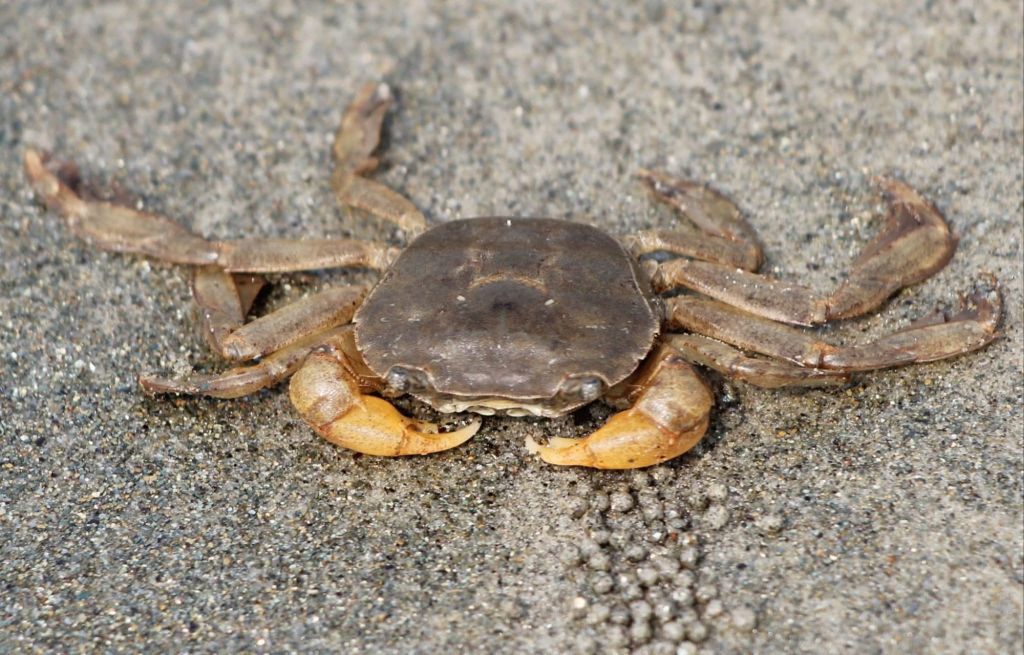
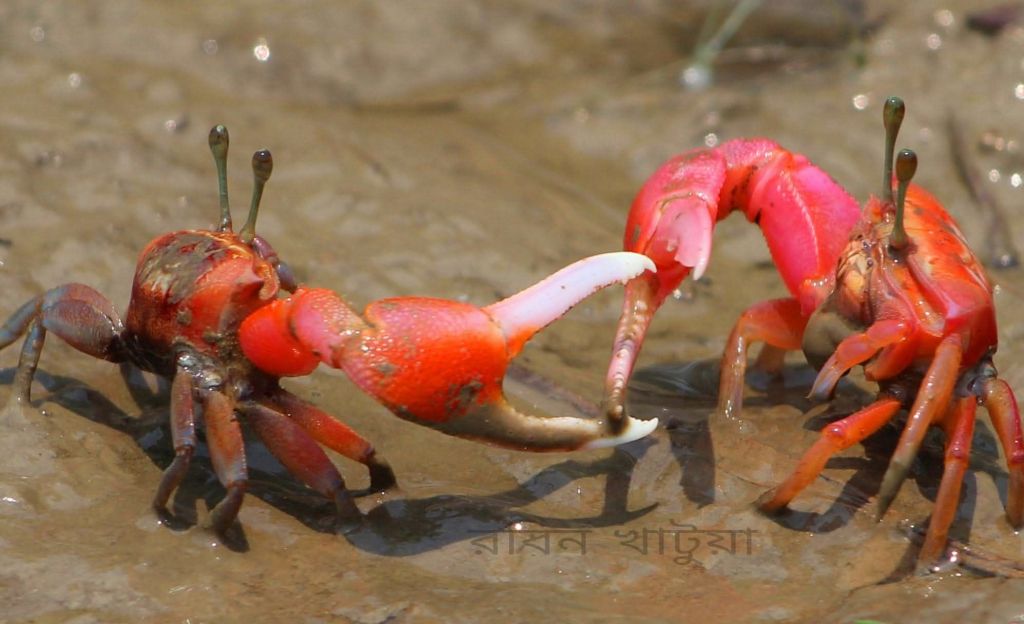








( left – female, Right – Male)





 Samiran Mandal
51 responses to “Stunning Sundarbans Biodiversity Photography by Rabin Khatua: Explore Bengal Tiger & Mangrove Wildlife”
Oh my god this is so beautiful! Also never seen half of these in my life.
LikeLiked by 2 people
Welcome to you here
LikeLike
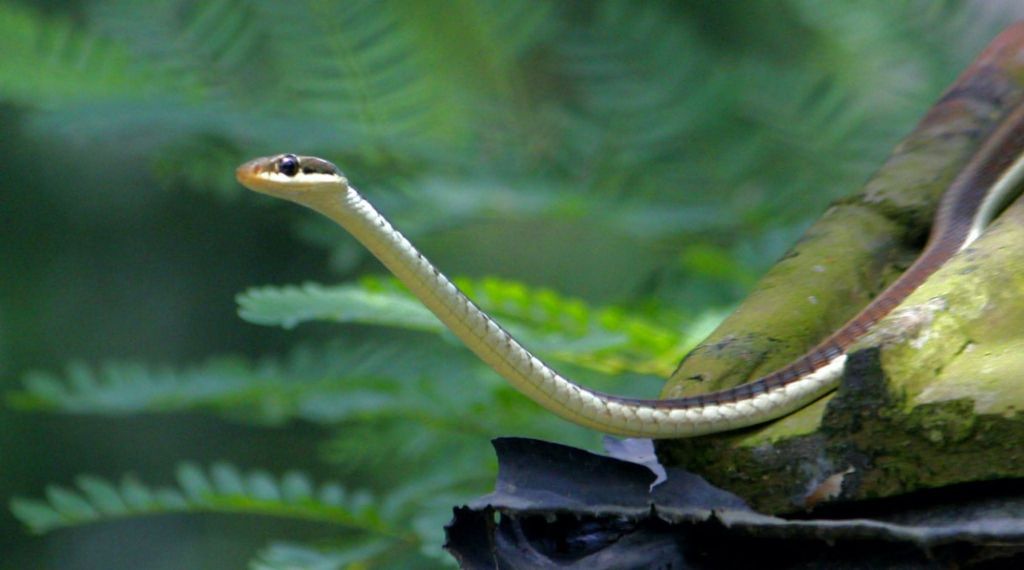
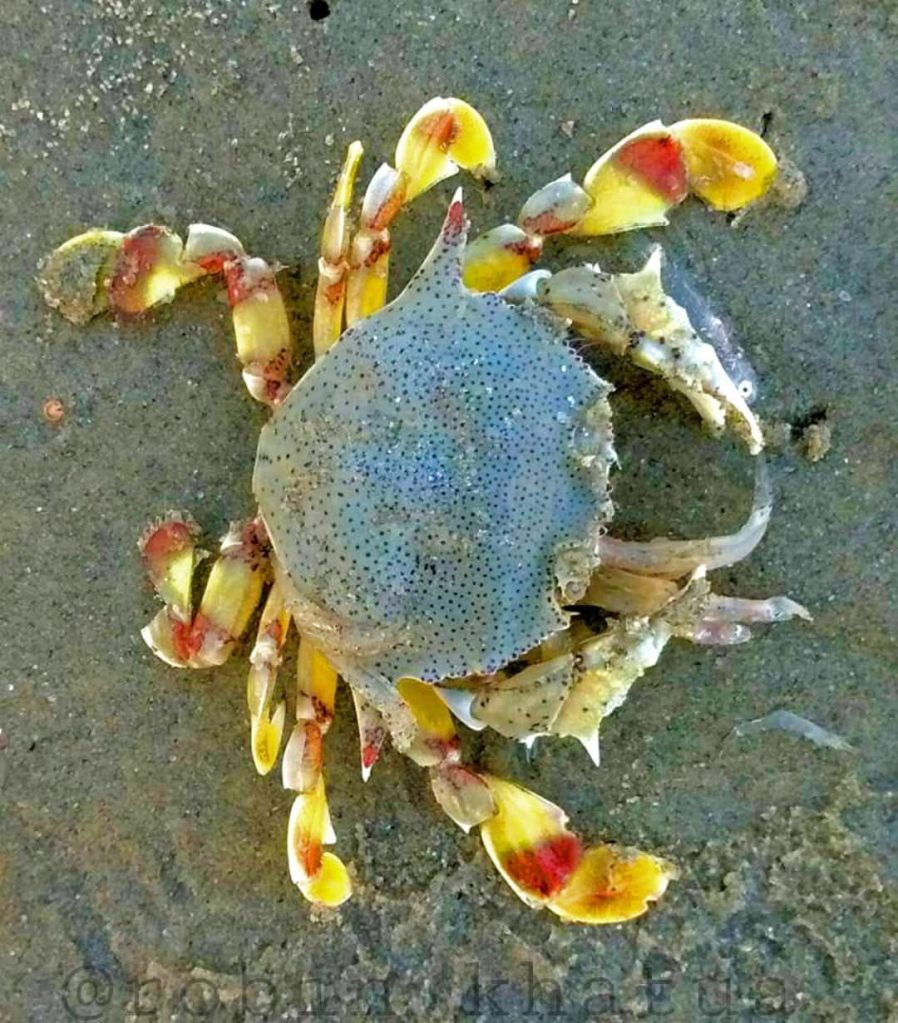
These photos are wonderful! I’m amazed at the variety of birds, crabs, snakes and frogs. Truly a feast for the eyes! Creation is amazing and the photographer is very good.😊
LikeLiked by 3 people
Thanks for your valuable opinion 👍
LikeLiked by 1 person
Engaging
LikeLiked by 2 people
Thanks 👍
LikeLike
beautiful
LikeLiked by 1 person
Thanks 👍
LikeLiked by 1 person
These lovely photos portray the wonderful environment of Sundarbans.
LikeLiked by 1 person
Thanks sir for your valuable opinion 👍
LikeLiked by 1 person
Beautiful photos! I hope everything is being done to preserve the habitat for the incredible variety of wildlife.
LikeLiked by 1 person
Thanks for your valuable opinion 👍
LikeLiked by 1 person
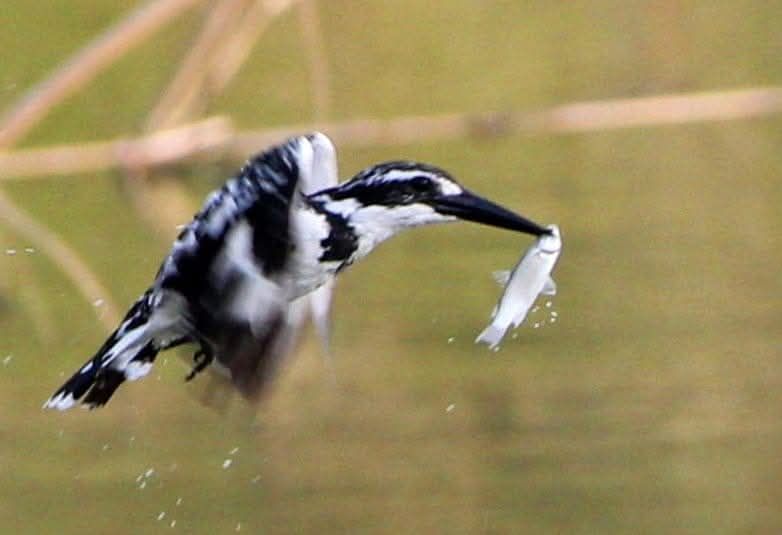
What an array of wonderfully colored animals! I loved the cinnamon bittern and the green pit viper.
LikeLiked by 2 people
Thanks for your compliment 🙏
LikeLiked by 1 person
Impressive biodiversity and wonderful wildlife. Thanks for sharing this amazing photos and information. Truly enjoyed!! Light and blessings your way, my friend ✨ 🙏 🌟
LikeLiked by 1 person
Welcome and glad to meet with you 😊
LikeLiked by 1 person
CaptCaptivating! That’s the word that comes to mind. After seeing just one click, I’m 100% sure that this person is going to scroll all the way to the end. What beautiful images you have captured! Bravo!
whenever I did something that exceeded my parents’ expectations, they would say – “शाबाश!” So, a big शाबाश 👏🏻 to you! Keep them coming! 😇
LikeLiked by 1 person
Thanks for your valuable comments
LikeLiked by 1 person
Anytime 😇
LikeLiked by 1 person
Welcome 🤗
LikeLiked by 1 person
*captivating
LikeLike
Great photos! They really capture the beauty of the Sundarbans.
LikeLiked by 1 person
Thanks for your valuable comments 🙏
LikeLike
Very beautifful picture… like paradise
LikeLiked by 2 people
Welcome & thanks for your valuable comments 🙏
LikeLiked by 1 person
Amazing photos.. Love the monkey!
💕
LikeLiked by 1 person
Welcome once again and thanks for your love 😘
LikeLiked by 1 person
It’s truly my pleasure! You’re most welcome!
LikeLiked by 1 person
Thanks 🙏
LikeLiked by 1 person
🩷🩷🩷
LikeLike
Thanks for visiting my site. I would be thrilled if you’d write a guest blog post for my site. If you think it might be fun or helpful to have my followers (who total about 10k across my various social media) meet you, here’s the link for general guidelines:
LikeLiked by 1 person
Well and thanks for coming here
LikeLiked by 1 person
This photography is stupendous! 👏 We have the rose-ringed parakeet here in London!
LikeLike
We have also in our forest Sundarban
LikeLiked by 1 person
❤️ They’re beautiful birds. I love them.
LikeLike
Welcome to our forest
LikeLiked by 1 person
Thank you 🙏
LikeLike
These photos are amazing! Nature is truly remarkable
–Scott
LikeLiked by 2 people
Thanks for your valuable opinion 👍
LikeLiked by 1 person
Fantastic photos, Samiran.
LikeLiked by 1 person
Thanks 👍
LikeLiked by 1 person
Great pics! Congrats <3
LikeLike
Thanks 👍
LikeLiked by 1 person
Wow…..so much bio-diversity…beautiful, but I’m not so sure I would go camping there. Is there camping in the forests? I would think the presence of snakes and tigers scares people from sleeping outside. It would scare me, but what strength and connection to nature, sleeping outside.
LikeLike
Thanks 👍
LikeLiked by 1 person
And blue crabs! My dad was telling me about some fish that was spotted, one that hadn’t been seen in over 100 years. I’ve been searching on the internet to find out what kind of fish and where it was seen. I love news like that.
LikeLiked by 1 person
Thanks 👍
LikeLiked by 1 person
Exploring the Enigmatic Sundarbans: A Unique Wilderness Experience
The Sundarbans, a UNESCO World Heritage Site straddling India and Bangladesh, is not your typical jungle destination. Unlike many forests where camping and independent exploration are commonplace, the Sundarbans operates under a stricter set of rules, primarily due to its challenging environment and the presence of the elusive yet formidable Royal Bengal Tiger, a known man-eater in this region. This makes for a truly distinctive and unforgettable adventure, primarily experienced from the water.
What to Expect: Navigating the Mangrove Labyrinth
Accommodation and Exploration by Boat: The fundamental difference in the Sundarbans is that you cannot camp within the forest itself. Tourists are not permitted to stay overnight on land. Instead, your entire experience revolves around motorized boats, often referred to as “bhutbhutis” or larger vessels. These boats serve as your transport, your accommodation (for multi-day tours), and your vantage point for wildlife viewing. You’ll spend your days cruising through the intricate network of tidal rivers and creeks, observing the unique flora and fauna from the safety of your vessel.
Guided Riverine Access Only: Entry into the core forest areas is strictly regulated and limited. You can only access designated, fenced-off observation points and watchtowers with an authorized guide. Independent exploration or venturing deep into the forest on foot is prohibited and incredibly dangerous. The dense mangrove roots, tidal fluctuations, and the ever-present threat of the tiger necessitate a cautious and guided approach.
A Tiger’s Domain: The Sundarbans is renowned as one of the last strongholds of the Royal Bengal Tiger. These magnificent creatures are incredibly well-adapted to the estuarine environment, often swimming across rivers and preying on a variety of animals. While sightings are rare and require patience, the thrill of knowing you are in their territory adds an unparalleled sense of adventure.
Beyond the Tiger: While the tiger is undoubtedly the star attraction, the Sundarbans is teeming with diverse wildlife. Keep an eye out for saltwater crocodiles basking on muddy banks, monitor lizards, various species of deer (including the chital or spotted deer), wild boars, and a spectacular array of birdlife, including kingfishers, eagles, and various migratory species. The intricate root systems of the mangroves themselves are a sight to behold, a testament to nature’s resilience.
Tidal Rhythms and the Mangrove Ecosystem: The Sundarbans is a dynamic landscape shaped by the daily ebb and flow of tides. The water levels dictate much of the daily activity, influencing wildlife movement and boat navigation. The unique mangrove trees, with their specialized root systems, play a crucial role in protecting the coastline and supporting this rich biodiversity.
Key Information for Visitors:
Safety First: Always adhere to your guide’s instructions. Do not attempt to disembark from the boat in unauthorized areas or at night.
Best Time to Visit: The cooler, drier months from October to March are generally considered the best time to visit, as the weather is more pleasant and tiger sightings might be slightly more common.
Permits and Guides: Ensure your tour operator arranges all necessary permits and provides experienced, authorized guides.
What to Pack: Binoculars for wildlife viewing, insect repellent, sunscreen, a hat, comfortable clothing (preferably in muted colors), and a good camera are essential.
Respect the Environment: Do not litter and maintain a respectful distance from wildlife.
The Sundarbans offers an unparalleled opportunity to connect with raw, untamed nature. It’s an experience that emphasizes observation, patience, and a deep respect for a truly wild and challenging environment.
Important FAQs for Sundarbans Travel
Q1: Can I camp in the Sundarbans forest?
A1: No, camping is strictly prohibited within the Sundarbans forest areas. Tourists are not allowed to stay overnight on land.
Q2: How do tourists stay and explore the Sundarbans then?
A2: Tourists stay and explore the Sundarbans primarily on boats or houseboats. These vessels serve as both accommodation and transportation, allowing you to cruise the waterways and observe the wildlife.
Q3: Is it safe to visit the Sundarbans given the presence of Royal Bengal Tigers?
A3: Yes, it is safe as long as you adhere to all safety guidelines and stay on your boat or within designated, fenced observation areas with an authorized guide. The tigers are wild and can be dangerous, so precautions are paramount.
Q4: Can I wander freely into the Sundarbans jungle?
A4: No, independent entry or free wandering into the core jungle areas is strictly forbidden. Access is limited to specific, designated points, and you must always be accompanied by an authorized forest guide.
Q5: What makes the Sundarbans a “man-eater” tiger zone?
A5: The Royal Bengal Tigers in the Sundarbans have historically shown more aggressive behavior towards humans compared to other tiger populations. This is attributed to various factors, including the unique environment, limited prey in certain areas, and historical interactions with humans.
Q6: What kind of wildlife can I expect to see besides tigers?
A6: Apart from tigers, you can spot saltwater crocodiles, various deer species (especially spotted deer), wild boars, monitor lizards, otters, and a rich diversity of birdlife including kingfishers, eagles, and migratory birds.
Q7: What is the best time of year to visit the Sundarbans?
A7: The period from October to March is generally considered the best, offering cooler and drier weather, which makes for a more comfortable travel experience.
Q8: Are there specific watchtowers or areas for wildlife viewing?
A8: Yes, there are designated watchtowers and observation points (like Sajnekhali, Dobanki, Sudhanyakhali in the Indian Sundarbans) that tourists can visit with a guide. These often have fenced walkways for safety.
Q9: Do I need a permit to enter the Sundarbans?
A9: Yes, permits are mandatory for entering the protected areas of the Sundarbans. Most reputable tour operators will arrange these for you as part of your package.
Q10: What should I pack for a Sundarbans trip?
A10: Essentials include binoculars, insect repellent, sunscreen, a hat, comfortable clothing in neutral colors, a good camera, and possibly a light jacket for evenings.
Here’s an image of the unique landscape of the Sundarbans, showcasing the intricate waterways and dense mangrove forests that define this remarkable ecosystem.
LikeLiked by 1 person
wonderful photos of animals ❤️I love to look at these animals I nerver saw ‚free’ like these in nature
LikeLiked by 1 person
Very well work
LikeLike
Thanks
LikeLike