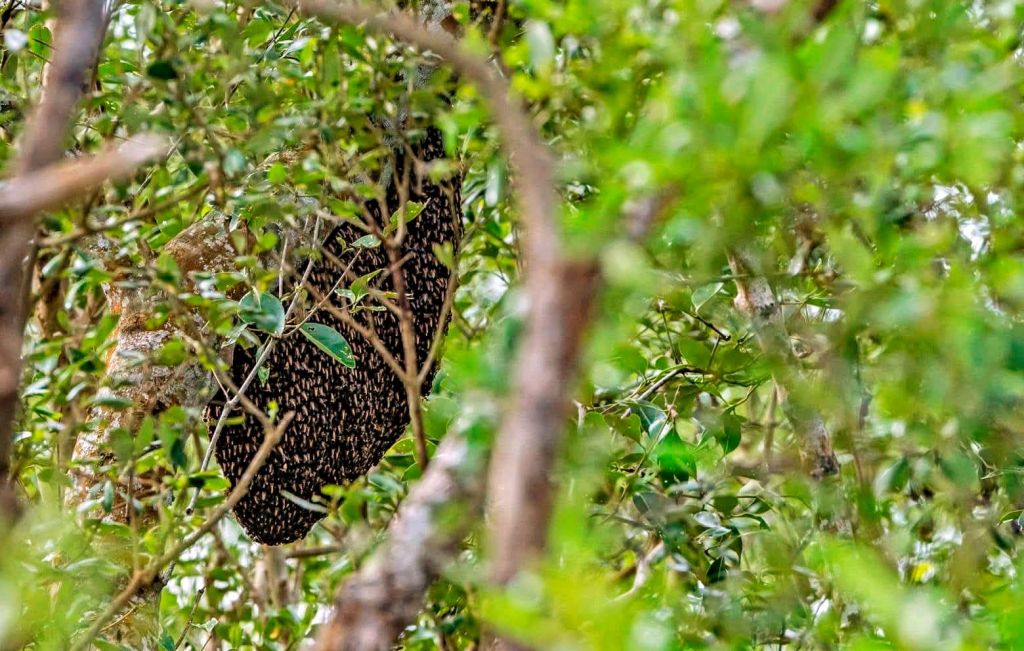
Venture deep into the Sundarbans with the Mawali honey hunters in this gripping survival story. Witness their dangerous quest for wild honey and their face-to-face encounter with a Royal Bengal Tiger in this UNESCO World Heritage Site.
The south. A pin-drop silence hangs heavy in the humid air, broken only by the squelch of boots in thick, greedy mud. Four shadows move as one through the dense mangrove forest. They are the Mawalis, the legendary honey collectors of the Sundarbans, deep in the chest of the Badavan—the jungle. Their goal is the prized honey of the Gawa flower, a nectar whose fame has crossed oceans.
They tread lightly, having invoked the name of Bonbibi, the forest’s guardian spirit, for safe passage. Their leader is fifty-five-year-old Rashid Miyan. With him is his nephew, Jalil, and two others, Ismail and Karim, whose job is to guard the team from the ever-present dangers.
But they are not alone. They are being watched.
The Stalking Shadow
For a long time, the king of the Badavan has been stalking them. The moment the scent of man reached the Royal Bengal Tiger’s nostrils, his menu for the day changed. A herd of Spotted Deer is a trivial matter now; the intoxicating aroma of human flesh pulses through his veins. He is a phantom, a living shadow melting into the jungle’s green, waiting for the perfect moment to strike.
Meanwhile, the hunters’ spirits are low. They have cut two hives, but the yield was pitifully small. The rains have been scarce, leaving the flowers dry. They push deeper, searching for a new hive, navigating a treacherous maze of spiky Hental roots that seems to watch them with a thousand eyes.
Finally, a massive hive. Ten, maybe twelve kilograms of liquid gold are carefully harvested. The clay pot, the kalsi, is almost full. A rare success. “Jalil,” Rashid said, his voice low. “You and Ismail take the honey to the boat. We will stay here.”
A Chilling Discovery
As they neared the boat, a monkey erupted in a nearby tree, chattering angrily and pointing insistently into the thicket. Ismail’s blood ran cold. But Jalil, impatient, urged him on.
Suddenly, Ismail froze. Beneath his feet, the mud was soft. The pugmarks were fresh. This was not a pathway. This was an ambush site. His heart hammered against his ribs. The monkey was still shrieking. A foul, rotting smell drifted on the air. “Don’t go any further,” Jalil whispered. “That’s a tiger’s den.”
Drawn by a morbid curiosity, Ismail crept forward. There, under the bushes, he saw it: the half-eaten carcass of a deer. And then his eyes fell on something else—a bloody towel, snagged on a thorn. The last trace of a fellow hunter. He snatched it and ran, Jalil stumbling behind him.
They didn’t know the hunter had already circled around. It was waiting for them.
Face to Face with Death
As they neared the riverbank, the jungle exploded. A terrifying, earth-shaking roar.
They met death face-to-face. A blur of yellow and black stripes. Two burning, hypnotic eyes. The beast emerged, its breath a hot wind that seemed to wilt the leaves.
“DON’T RUN!” The command was a shard of ice from Ismail’s throat. “GRAB YOUR STICK!”
The honey pot crashed to the ground. In a flash, bamboo staffs were in their hands. An unequal battle began—a war of nerves. The tiger crouched, growling, saliva dripping from its jaws. The two men stood their ground, roaring back, smashing their sticks against the earth.
Suddenly, two more roars erupted from behind the tiger!
It was Rashid and Karim. Hearing the tiger’s challenge, they had run back, positioning themselves behind the great cat. Flanked, the tiger froze, confused. It gathered itself for one last lunge, but its instinct faltered before the unified screams of the four men. The king retreated, melting back into the impenetrable green, his eyes holding a promise of unfinished business.
They returned with the honey that day. And with them, they carried a small, bloody piece of towel and a terror that would never truly leave them. The Sundarbans gives life, but it also takes it. Her children survive only by respecting the laws of the forest.
Phosphine: A Scientist’s Last Night in the Sundarbans’ Forbidden Creek
Frequently Asked Questions (FAQ)
1. Who are the Mawalis?
The Mawalis are the traditional honey collectors of the Sundarbans. For generations, they have ventured into the dangerous mangrove forests for a few months each year (typically April-June) to harvest wild honey, a practice steeped in local culture and risk.
2. Is Sundarbans honey really worth the risk?
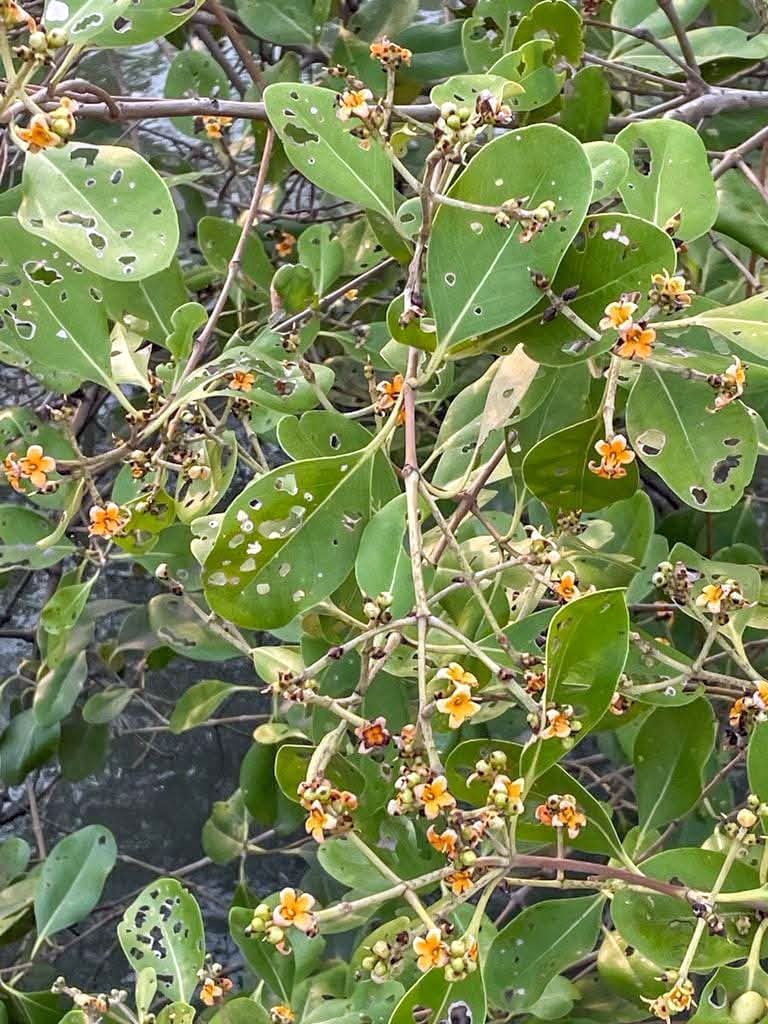
Sundarban honey is one of the most sought-after wild honeys in the world. It is 100% natural and organic, with a unique, slightly woody and salty flavour from the mangrove flowers. Its high value provides a crucial, albeit dangerous, livelihood for the People of Sundarbans.
3. Who is Bonbibi?
Bonbibi is a guardian spirit or deity revered by both Hindus and Muslims in the Sundarbans. According to Sundarban legends, she protects the people who enter the forest, especially from tigers. Mawalis and other forest-goers perform rituals to seek her blessing before beginning their work.
4. How dangerous is honey collection in the Sundarbans?
It is extremely dangerous. The Mawalis face constant threats not only from Royal Bengal Tigers but also from Saltwater Crocodiles, venomous snakes like the King Cobra, and the treacherous, muddy terrain of the mangrove forest.
5. Can tourists go on a honey-collecting trip?
For safety reasons, tourists are not allowed to join the Mawalis on their actual honey-collecting expeditions. However, visitors on a Sundarban tour during the season may get to witness some of the rituals and can buy authentic Sundarban honey from government-regulated cooperatives, supporting ecotourism and the local community.
 Samiran Mandal
22 responses to “Blood for Honey: A Gripping Sundarbans Tiger Survival Story”
I have chills from this story.
LikeLiked by 1 person
Thanks 🙏
LikeLike
It is dangerous to collect honey there.
LikeLiked by 2 people
Yes Sir.
LikeLiked by 1 person
People would do anything for survival. why not leave some space for the animals. Humans have been so unjust to contemporary crreatures. We should leave the forests alone.
LikeLiked by 3 people
Well said, thanks for your valuable opinion 👍
LikeLiked by 1 person
💕🙏
LikeLike
Well documented.
LikeLiked by 1 person
Thanks 🙏
LikeLiked by 1 person
Hi Samira
Well, we are not so fond of warm weather all the time. We are more Nordic. On our last holidays we went on an expedition to NE Greenland and before that to Bear Island. We have been to India many years ago, but it was not our country. We neither want to see Tigers nor crocodiles.
The Fab Four of Cley
:-) :-) :-) :-)
LikeLiked by 1 person
Glad to meet with you, thanks for your valuable comments. Welcome to your forest Sundarban.
LikeLiked by 1 person
What a thrilling story!
LikeLiked by 1 person
Thanks for your valuable opinion 💯
LikeLiked by 1 person
You’re more than welcome!
LikeLike
A beautifully told story of the honey collectors. I’d love a jar! It’s so go to read about true wildness. 🐝 🐅
LikeLiked by 1 person
Thanks for your valuable opinion 👍
LikeLiked by 1 person
💕
LikeLiked by 1 person
🤍🤍🤍🤍🤍🤍
LikeLike
Nature is fascinating. I’ll forgo the honey collecting but I’d be in line for a care delivery of the delectable sweet if you ship! 🚢
LikeLiked by 1 person
I don’t usually have export ideas, but I can’t ignore a request from someone like you. I’d definitely want to send it via post office, but I’ll need to know the procedures
LikeLike
Très intéressant et bien écrit.
LikeLiked by 2 people
Thanks 🙏
LikeLike