
Bakkhali Travel Guide: West Bengal’s Serene White Sand Escape
“You are immense, you are eternal, yet to draw me closer,
My turbulent heart finds peace in your shadow.”
Rabindranath Tagore
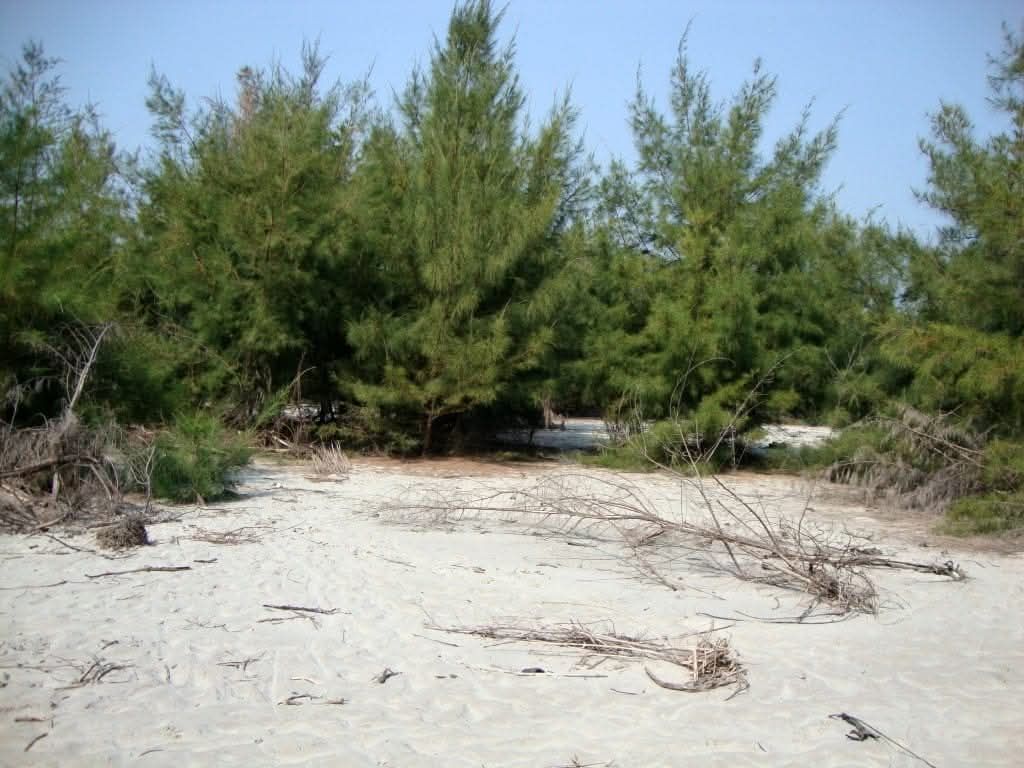
For those seeking an escape from the clamor of city life, the coastal town of Bakkhali in West Bengal offers a melody of sea waves, island charm, and profound tranquility. Unlike the bustling beaches of Digha or Mandarmani, Bakkhali is a sanctuary of peace, famed for being one of the few beaches in the state with stunning white sands that glitter like pearls under the sun.
Here, nature speaks in hushed tones. The quiet environment, sparse crowds, and wide, expansive beach create the perfect canvas for a soul-soothing getaway. This guide will walk you through everything you need to know to plan your trip to this hidden gem.
Must-Visit Places in Bakkhali
A short, three-day trip is ideal for exploring the best of what Bakkhali and its surroundings have to offer. Here is a suggested itinerary:
Day 1: Arrival, Eco Park, and Sunset at Kargil Beach
Bakkhali Eco Park: Begin your journey by immersing yourself in the lush greenery of the Bakkhali Eco Park. With its winding stone paths, serene ponds, and the sweet calls of native birds, it’s a perfect introduction to the region’s natural beauty.
A Glimpse into History: Developed by the West Bengal government, the Eco Park is an initiative to conserve the local mangrove ecosystem and biodiversity while promoting eco-tourism.
Kargil Beach (Sunset Point): As the day winds down, head to Kargil Beach to witness a breathtaking sunset. The sight of the golden sun dipping below the horizon, casting its colors across the vast blue sea and white sands, is truly unforgettable.
A Glimpse into History: The beach is named in honor of the heroes of the 1999 Kargil War. It is celebrated for its pristine, undeveloped beauty and is a prime spot for photographers and nature lovers.
Day 2: Island Hopping and Coastal Wonders
Jambu Dwip (Jambu Island): Start your day with an early morning boat ride to Jambu Dwip. This isolated island, part of the Sundarbans Biosphere Reserve, offers a thrilling adventure through dense mangrove forests. The silence here is only broken by the sounds of nature.
A Glimpse into History: Historically, Jambu Dwip was a temporary shelter for fishermen. Today, it remains largely untouched by human settlement, making it a secret gem for tourists seeking raw, natural beauty.
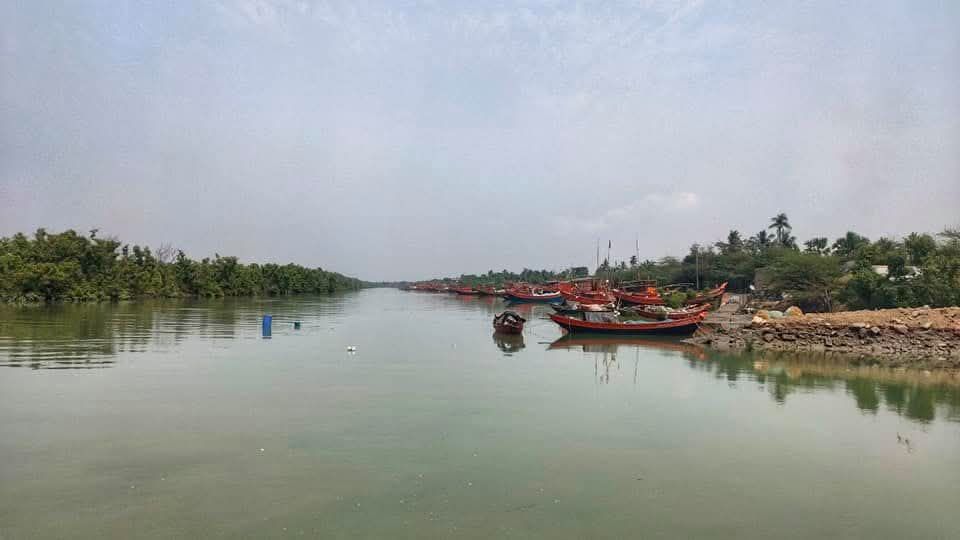
Fraserganj: A quieter cousin to Bakkhali, Fraserganj is a charming fishing harbor. The sight of colorful fishing boats lined up on the shore against a backdrop of the blue sky and white sand is a picturesque scene.
A Glimpse into History: The town is named after Sir Andrew Fraser, a British official who envisioned developing it as a resort. Its roots as a fishing village are still evident in the local way of life.
Henry’s Island & Lalganj: Famous for its watchtower offering panoramic views, Henry’s Island is managed by the West Bengal Fisheries Department. Both here and in the nearby area of Lalganj, you can witness a spectacular natural phenomenon: the march of millions of red crabs. These vibrant Fiddler crabs create a stunning color contrast against the white sand as they scurry across the beach.
A Glimpse into History: Henry’s Island is named after a British surveyor. The government began developing it for fisheries and tourism in the 1980s, creating a unique blend of mangrove forests and wetlands. Lalganj is a small hamlet on the edge of the Sundarbans, named for its reddish soil.
Day 3: Mousuni Island and Local Culture
Mousuni Island: With sand as soft as cotton and calm, gentle waves, Mousuni Island is the epitome of tranquility. It’s the perfect place to unwind, walk along the shore, and simply be with nature.
A Glimpse into History: A relatively new tourist destination, Mousuni was once inhabited solely by fishermen. Its pristine beauty and serene isolation are now attracting travelers looking for an authentic, off-the-beaten-path experience.
Charak Mela (If visiting in April): If your trip coincides with the Bengali month of Chaitra (mid-April), don’t miss the Charak Mela. This centuries-old folk festival is a vibrant explosion of culture, with the sounds of the dhak (drum), colorful costumes, and stalls selling local handicrafts.
A Glimpse into History: This traditional festival, dedicated to Lord Shiva and Gauri, is a cornerstone of rural Bengali heritage and offers a wonderful glimpse into local art and faith.
Other Key Attractions
Crocodile Breeding Centre: A protected enclosure where you can safely observe various species of crocodiles. It’s an interesting and educational stop for visitors of all ages.
Banbibi Temple: Dedicated to Banbibi, the guardian deity of the Sundarbans who is believed to protect locals from tigers and other dangers of the forest.
Bishalakshmi Temple: A traditional temple dedicated to the goddess of prosperity, offering a peaceful and spiritual atmosphere.
Practical Information
How to Reach Bakkhali:
By Road: Bakkhali is approximately 125 km from Kolkata. The journey is now much smoother thanks to the Hatania-Doania bridge.
By Train: Take a train from Sealdah Station to Namkhana, the nearest railway station. From Namkhana, you can hire a toto or car for the final leg of the journey.
By Bus: WBSTC and other private buses operate regular services from Esplanade (Dharmatala) in Kolkata to Bakkhali.
Local Cuisine:
No trip is complete without savoring the local food. Head to a local eatery like the famous Adi Banasree Hotel to enjoy a “symphony of flavors” with dishes like Shrimp Malaikari, Hilsa Paturi, and Aloo Posto.
General Timings for Attractions:
Beaches (Kargil, Lalganj): Open 24/7, but it’s advisable to be cautious after dark.
Eco Park: Generally open from 8:00 AM to 6:00 PM.
Henry’s Island: The watchtower and official areas are open from morning until dusk (approx. 8:00 AM – 5:00 PM).
Jambu Dwip & Mousuni Island: Access depends on boat services, which usually run from early morning until late afternoon. Timings can vary based on tide and weather.
Crocodile Breeding Centre: Typically open from 9:00 AM to 5:00 PM (may be closed one day a week, often Friday or Monday).
Temples: Open from morning to evening, though specific puja times may vary.
Why Bakkhali Should Be Your Next Getaway
If you feel worn out by the mechanical rhythm of daily life, Bakkhali is the perfect antidote. Here, the gentle waves wash away your fatigue just as they erase footprints from the sand. With affordable hotels, delicious and budget-friendly food, and easy-to-navigate surroundings, it is the ideal destination for a low-cost, high-reward vacation.
For anyone who thinks, “I have a small budget, but a big desire to travel,” Bakkhali answers the call. Let the waves of the sea, the shade of the mangroves, and the breeze of peace embrace you.
#Bakkhali #WestBengalTourism #TravelGuide #WeekendGetaway #BeachLife #WhiteSandBeach #Fraserganj #HenryIsland #MousuniIsland #Sundarbans #ExploreBengal #IncredibleIndia #BudgetTravel #SereneBeaches #RedCrabs #OffbeatDestinations

 Samiran Mandal
9 responses to “Bakkhali Travel Guide: West Bengal’s Serene White Sand Escape”
קידושין
________________________________________________________
Our Mishna opens with האשה נקנית. And thereafter continues employing the feminine grammar of שלש rather than the masculine of שלשה, despite the fact that generally its the Man who acquires title to the Nefesh O’lam Ha’bah soul of the woman. The דאורייתא מצוה – קידושין stands upon the יסוד of the oath brit sworn/cut between the pieces as found in Parshat לך לך.
ב: ומאי איריא דתני שלש, ליתני שלשה? משום דקא בעי למיתני דרך. ודרך לשון נקבה הוא
This means that any adjectives or verbs associated with it must also agree in gender. For example, describe a “way” in a sentence, the accompanying words would require the feminine format. The Talmud often emphasizes the importance of grammatical precision. Our Mishna teaches here using a feminine term, it indicates that the subject matter, or the context of this Av Mishna (weigh the opening blessing of the Shemone Esrei which contains שם ומלכות.), specifically related to feminine priority, women produce children not men. A Torah oath blessing prioritized over Tehillim prayer-praises in similar fashion. Both קידושין and blessings require swearing a Torah oath-as expressed through the dedication of tohor middot.
This means that any adjectives or verbs associated with האישה נקנית, must also agree with this gender. For example, if one were to describe a “way” in a sentence, the accompanying contextual words likewise require the grammar of the feminine form. The Talmudic law emphatically emphasizes the importance of grammatical precision. Our Mishna introduces a feminine grammar, the subject matter specifically related to feminine aspects or perspectives.
However, Talmudic common law stands upon precedents. דרך understood as the k’vanna of אמת, the 8th Oral Torah middah expression of the dedication of מלכות לשמה! Talmud a common law system that learns through making comparative precedents. In like manner translating שם ומלכות, as worthless as tits on a boar hog.
The path walk of the chosen Cohen people actively entails a defined culture, customs, values which separate our society from all other Goyim civilizations throughout all times. The idea that a Man acquires title to the Nefesh O’lam Ha’Bah soul of his wife – this abstruse and abstract idea alone, absolutely requires a Torah precedent from both the Written and Oral Torah. Simply reading the words as printed on the page of the Talmud as useful as a screen door on a submarine. T’NaCH predates the Talmud as common law scholarship.
Jewish wisdom in the sight of the Goyim, we possess the inductive reasoning skills required to learn by comparing precedent similar cases one to another in both the T’NaCH literature and the Talmud. Goyim by contrast, simply read their sophomoric bible translations and award themselves fancy doctorate titles, while illiterate of the original Hebrew and Aramaic languages contained within the literature of the T’NaCH. Jews during the Hanukkah Civil War rejected Greek culture and syllogism 3 part deductive logic – a Century “before” publication of the NT Protocols of the Elders of Zion fraud.
Religious Goyim only read Talmudic translations with an evil eye. Like the countries who walk out of the UN General Assembly and refuse to consider what the PM of Israel comes to communicate. Evil Eye, an expression of tumah middot spirits from the Yatzir Ha’Raw within the heart as understood by בכל לבבך\לבבכם within the דאורייתא תפילה קריא שמע. The Torah precedent for this interpretation made by rabbi Yechuda, ב’ ראשית the רמז opening word of the Torah. Bible translation only “read”: In the beginning. T’NaCH absolutely requires פרדס logic. The church denies the existence of פרדס logic similar to how the Goyim in the UN theatre lack דרך ארץ.
Modesty and developing a sense of shame, applies equally to both men and women. UN delegates who openly parade & flaunt their contempt for Israel, compare to prostitutes who sell their wears on street corners. Fear of Heaven understands that eventually arrogant behavior permanently destroys the good name reputation of peoples and nations; post Shoah murdered the good name reputation of the church: by their fruits you shall know them. Once a good name reputation destroyed, like a balloon popped.
ודרך לשון נקבה הוא דכתיב (שמות יח:כ) והודעת להם את הדרך ילכו בה
The פרק יתרו יח:א – כז contains this specific פרט verse. Yitro advised Moshe to establish the Federal Sanhedrin common law court system in the first place. His first born son, גרשם, כי אמר גר הייתי בארץ נכריה, the descendants of Gershom (שופטים יח:ל) set up a graven image and engaged in avoda zarah; assimilation and intermarriage defines the way of the ערב רב in all generations. The middah of רחום the opposite of pity. The precedents which command to make genocide war against the nations of Canaan, to forever war against Amalek, to kill the stubborn and rebellious minor son stand out to distinguish blessing/curse life\death Torah brit oaths.
The pursuit of justice among our people, often not a pleasant experience. Shalom requires trust. When an Israel damages another Israel, what must happen to restore trust? This question defines the Torah faith of justice. A person who develops “fear of heaven” compares to Avraham told to sacrifice Yitzak! Remembering the oaths sworn by the Avot defines the k’vanna of Yom Kippur, where HaShem made t’shuva and remembered the oaths sworn to the Avot to create the chosen Cohen people יש מאין through tohor time-oriented Av Torah commandments which dedicate middot from within the Yatzir Ha’Tov within the heart לשמה. Blowing the shofar serves as a precedent how to pronounce the רוח הקודש שם השם לשמה. Lips pronounce words, but the Yatzir Ha’Tov blows tohor middot spirits dedicated as Holy unto HaShem from within the heart; herein defines the k’vanna of tefillah. Consequently tefillah a matter of the heart. And not some ‘lord’s prayer’ to a father God in the Heavens. Of all the Torah commandments, the revelation of the 1st Sinai commandment, upon this commandment hang all the rest of the Torah commandments like a Mountain suspended by a single hair.
The chosen path of the society of the chosen Cohen people: the path of righteous judicial justice between our people, learns from the trek travails Israel made out of Egypt. Torah faith: the obligation to pursue righteous compensation of damages inflicted upon others. This faith absolutely rejects theological belief systems which dictate, often on pain of violent murder, what a Man MUST believe; together with all manner of alien word translation Names of Gods, wherein these foreign alien theologies threaten a mankind with eternal continuous wars.
והזהרתה אתהם את החקים ואת התורת והודעת להם את הדרך ילכו בה ואת המעשה אשר יעשון ואתה תחזה מכל העם אנשי חיל יראי אלהים אנשי אתמת שנאי בצע ושמת עלהם שרי אלפים שרי מאות שרי חמשים ושרי עשרת ושפטו את העם גכל עת והיה כל הדבר הגדל יביאו אליך וכל הדבר הקטן ישפטו הם והקל מעליך ונשאו אתך
The Torah a common law legal system החקים judicial cases decided through precedents. 3 Man ביתי דין courts address issues of physical damages. While courts of 23 and 71 address Capital Crimes cases. Justice compares to wiping clean ones’ behind following a bowel movement. Sometimes the odor, quite unpleasant. Conflict and disputes define the Creation of Man in the Garden of Eden. The g’lut of Adam testifies to the nature of justice. Hence a Torah judge requires ‘Fear of Heaven’ as does a Sofer or a shochet etc.
The Book of בראשית describes the Goyim nations following the floods in the days of Noach. The building of Bavel perhaps comparable to the slavery of Egypt. The lack of righteous judicial justice witnessed the collapse of Huge Empires throughout the annuls of history. Righteous justice speaks a language clear, that all Mankind understands. Injustice loaded in word rhetoric salads which conceal oppression and cruelty.
The “acquisition” of a wife has nothing in common with beatings and violence. Armed with such knowledge, no woman would agree to marry such a violent deceitful man. The mitzva of קידושין envisions a oath brit alliance wherein partners commit to protecting the backs of their partner and family. Tzudakkah has its בראשית with a family-first priority.
LikeLike
WoW, this post really paints a peaceful picture. It reminds me that God’s creation can be a true refuge for our hearts and minds. Just like the quiet beaches and gentle waves of Bakkhali restore calm, spending time in God’s presence can renew our spirit and give us peace in the midst of life’s noise.
Psalm 46:10 says, “Be still, and know that I am God.” Sometimes, we just need to pause, breathe, and let His creation and His love refresh us.
LikeLike
Thanks for your valuable comments and compliments.
Welcome to our forest Sundarban
LikeLiked by 1 person
You are very welcome.
LikeLiked by 1 person
Nice post thanks 🙏 welcome
LikeLike
Thanks 🙏
LikeLike
This beautifully written guide makes Bakkhali sound like a truly essential escape. Its blend of white-sand tranquility, the raw adventure of Jambu Dwip, and the vibrant sight of the red crabs perfectly answers the yearning for a low-cost, high-reward getaway. I’m already hearing Tagore’s melody in the waves!
LikeLiked by 1 person
Thanks for your valuable comments 🙏
LikeLiked by 1 person
Anytime 😇
LikeLike